
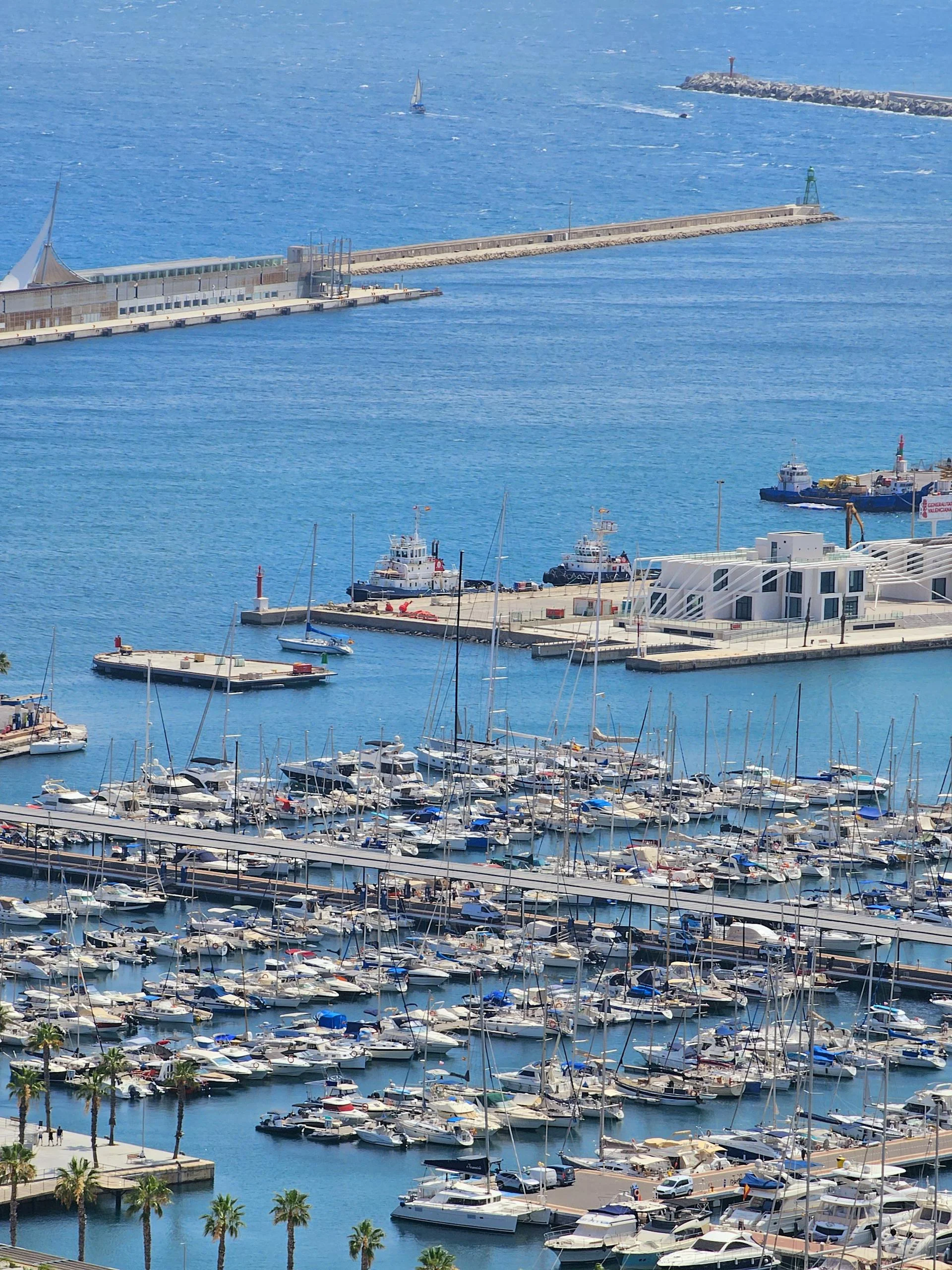
10 Beautiful Villages Near Alicante, Spain for Slow Travel in Costa Blanca
Quick Summary
Alicante province is one of Europe’s most sought-after lifestyle destinations, offering a rare mix of coastal elegance and inland village authenticity. This guide brings together 10 of the most beautiful villages around Alicante, and individual deep dive guides for each location.
- A curated collection of 10 coastal and inland villages across Alicante
- Designed for lifestyle travel, relocation research, and slow living inspiration
- Combines beaches, mountain towns, wine valleys, and UNESCO heritage landscapes
- Each destination includes a dedicated guide for deeper exploration
Alicante has quietly become one of the most sought after regions in Europe for lifestyle led relocation and second homes, consistently ranking as a top destination for British buyers. Beyond the well known coastal hotspots, the province is home to a collection of inland and coastal villages that embody slow living at its finest. This guide acts as a central hub connecting the most beautiful inland and coastal villages around Alicante, with dedicated deep dive guides linked throughout.

There is a version of the Costa Blanca most people never really see.
It is not the high rise coastline or the familiar resort towns that tend to dominate holiday brochures. It is something slower, more textured, and infinitely more interesting, a rhythm of life that exists just a short drive inland from Alicante’s coastline.
Having spent extended time living across the Costa Blanca, these are the places that consistently stand out for depth, character, and repeat visits. The ones that shift your understanding of what “life in the sun” actually looks like when you move beyond the obvious.
And it is no surprise that Alicante consistently ranks as one of the most desired locations for British buyers and second home seekers, frequently appearing across lifestyle and property programming focused on relocation and European living. There is something about this part of Spain that stays with people long after they visit.
But the real magic is not in the cities. It is in the villages.
These are the places where time loosens slightly. Where long lunches still matter. Where shutters close in the heat of the afternoon without apology. Where life is not optimised, it is lived.
If you are planning a trip to Alicante, these are the places I would make time for.
10 Beautiful Villages Near Alicante, Spain for Slow Travel in Costa Blanca
10 Villages Around Alicante for Slow Travel (and What to See and Do)
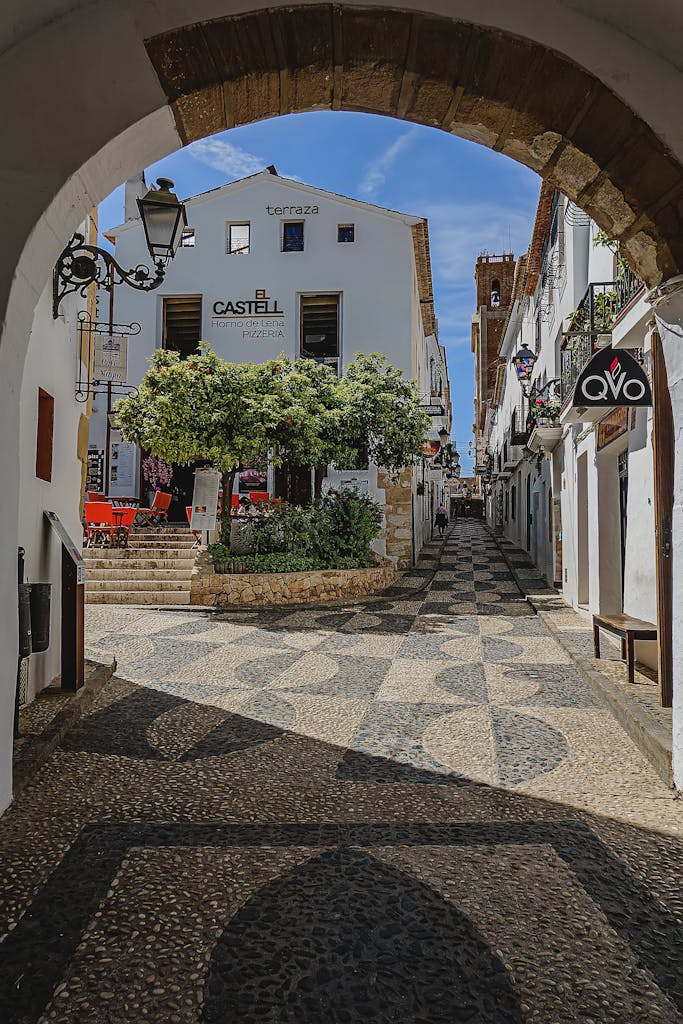
1. Altea
Altea is one of the most visually recognisable villages on the Costa Blanca, known for its whitewashed houses and blue domed church overlooking the sea.
Spend time wandering the old town rather than rushing it, the real experience is in the quiet streets, artisan boutiques, and viewpoints over the bay. Stop at the Mirador de los Cronistas for sunset, when the light softens across the coastline and the entire village feels suspended.
There’s also a small creative scene here, with galleries and ceramic studios tucked between homes.
Read the full guide to Altea’s old town here →
2. Guadalest
Guadalest is a mountain village carved into rock, offering one of the most dramatic inland settings in Alicante.
Visit the historic castle ruins for panoramic views over the reservoir below, then explore the small museums hidden inside the village, from miniature art collections to vintage curiosity displays.
The journey itself is part of the experience, with winding mountain roads revealing increasingly cinematic landscapes.
Read the full guide to Guadalest →

3. Polop
Polop is quieter, more residential, and often overlooked, which is exactly its appeal.
The village is known for its central fountain with dozens of water spouts, traditionally believed to represent the number of fresh springs in the area. Walk up towards the ruins of Polop Castle for sweeping views across the valley, particularly striking in the early morning light.
It’s a place for slow coffee, long pauses, and almost no agenda.
Read the slow living guide to Polop →

4. Villajoyosa
Villajoyosa feels like a working coastal town rather than a curated destination.
The colourful waterfront houses are its most famous feature, but the charm lies in its rhythm, fishermen bringing in their catch, local bakeries opening early, and the scent of chocolate still produced by historic factories like Valor.
Walk the seafront in the early evening and then head into the old town, where laundry hangs between pastel buildings and life feels entirely unfiltered.
See the full coastal guide to Villajoyosa →

5. Jalon Valley (Xaló)
The Jalon Valley is wine country at a relaxed pace, framed by almond trees and mountain silhouettes.
Visit local bodegas for wine tastings, particularly the regional Moscatel wines, or explore the Saturday market in Xaló which attracts antique dealers, artisans, and locals alike.
In spring, the almond blossom transforms the valley into a soft pink landscape that feels almost unreal.
Explore wine country in the Jalon Valley guide →

6. Moraira
Moraira is a polished coastal town that has managed to avoid overdevelopment.
Spend the day moving between small coves like Cala del Portet, then linger in the marina area where restaurants serve seafood just metres from the water. The atmosphere is calm, international, and quietly refined without trying to be showy.
It is particularly beautiful at dusk when the harbour lights begin to reflect across the water.
Read the refined coastal guide to Moraira →

7. Jávea Old Town (Xàbia)
Beyond its beaches, Jávea’s historic centre offers a completely different pace.
Explore sandstone streets, the Gothic style church of San Bartolomé, and the covered market where locals still shop daily. It feels more traditional and grounded than the coastal strip, with a stronger sense of everyday Spanish life.
It’s worth visiting early in the morning before the day heats up.
Discover traditional Jávea Old Town →
8. Biar
Biar is a medieval inland town that feels like it belongs further north in Europe.
The castle dominates the skyline and can be visited for views across rolling hills and agricultural land. The old quarter is small but atmospheric, with stone archways and quiet squares that rarely feel crowded.
It’s ideal for a slow afternoon with no fixed plan.
Step into the medieval guide to Biar →

9. Castalla
Castalla sits between mountains and history, offering a more lived-in version of inland Alicante.
Climb up to the castle for expansive views across the valley, then wander back down through narrow streets lined with traditional homes. There is a strong local feel here, cafés, bakeries, and everyday life rather than tourism.
It’s a place you visit without expectation and end up staying longer than planned.
Explore inland life in Castalla
10. Elche (Elx)
Elche is best known for its UNESCO listed palm grove, one of the largest in Europe.
Walk through the Palmeral for a completely different landscape, shaded paths, irrigation channels, and quiet gardens that feel almost unexpected in this region. The Huerto del Cura garden is particularly worth visiting for its sculptural plant formations.
The city itself blends urban life with this vast green structure, creating a unique contrast.
Read the UNESCO palm grove guide to Elche

The Bigger Picture: Why Alicante Feels Different
Alicante’s appeal has shifted over the years from holiday destination to lifestyle consideration.
Increasingly, it is part of a wider movement towards slower, more intentional living in Southern Europe, where proximity to nature, climate, and daily rhythm become as important as location itself.
This is not about escape. It is about recalibration.
And the villages around Alicante are where that shift becomes visible.
For anyone interested in exploring this further, you might also enjoy reading:
- 7 Day Itinerary for Exploring Alicante’s Best Villages
- 5 Places to Visit in Alicante
- Car Rental in Alicante Guide
- Discover the hidden beauty of Calpe (Calp)

Frequently Asked Questions About Visiting Villages Around Alicante
What are the villages around Alicante known for?
The villages around Alicante are known for a mix of coastal Mediterranean towns, inland mountain villages, and agricultural valleys. Together they form one of Spain’s most diverse regional landscapes, combining beach culture, medieval history, wine production, and UNESCO heritage sites.
Why is Alicante so popular with British buyers?
Alicante has become one of the most in-demand regions for UK property seekers due to a combination of lifestyle, climate, and accessibility. With over 300 days of sunshine a year, relatively low cost of living compared to other Mediterranean regions, and a well established expat infrastructure, it offers both practicality and quality of life.
It also appeals to those looking for a second home or long term relocation because it provides a rare balance: coastal living, nearby mountains, strong transport links via Alicante airport, and a wide range of property options from city apartments to inland fincas and coastal villas. This mix has helped it consistently rank as one of Spain’s most desirable regions for lifestyle led property interest.
What is the best way to explore villages around Alicante?
The most effective way to explore the villages around Alicante is by car, as many of the most interesting inland and mountain locations are not easily accessible via public transport. Driving allows flexibility to move between coastal towns like Altea or Jávea and inland villages such as Guadalest or Biar in a single day.
This flexibility is important because part of the experience is not just the destination itself, but the landscapes in between — winding mountain roads, citrus groves, and valley views that define the slower rhythm of this region. Having your own transport also allows you to explore without time pressure, which is essential when visiting smaller villages where the pace of life is deliberately unhurried.
Is Alicante more than just a holiday destination?
Yes, Alicante province has evolved far beyond a seasonal holiday destination. While tourism remains an important part of the local economy, there is also a growing population of long term residents, digital nomads, and second home owners who live in the region year round.
Coastal towns and inland villages alike now support a more permanent lifestyle, with international schools, healthcare infrastructure, coworking spaces, and established expat communities. This shift has created a dual identity: one that supports traditional Spanish village life while also accommodating modern, flexible living for those relocating from abroad.
When is the best time to visit Alicante villages?
The best times to visit Alicante villages are spring (March to May) and autumn (September to November), when temperatures are warm but not extreme and the region feels more authentically local.
In spring, the inland valleys are especially beautiful, with almond blossom and wildflowers transforming the landscape. Autumn offers warm sea temperatures, quieter beaches, and softer light across the mountains and historic towns. Both seasons also avoid the peak summer crowds, allowing for a more relaxed and immersive experience in smaller villages.
Are the inland villages worth visiting compared to the coast?
Absolutely, inland villages are often where the most authentic version of Alicante can be experienced. While the coast is known for beaches and resort towns, the inland areas offer a slower, more traditional rhythm of life that feels deeply rooted in local culture.
Here you will find historic architecture, weekly markets, mountain landscapes, and villages where daily routines have remained largely unchanged for generations. The contrast between coast and inland is one of Alicante’s most defining features, and exploring both gives a far more complete understanding of the region as a whole.


