
Calpe, Alicante: A Slow Living Guide to the Peñón de Ifach & Costa Blanca’s Most Iconic Coastal Landscape
Quick Summary
Calpe (Calp) is one of the most recognisable coastal towns in Alicante province, defined by the dramatic limestone formation of the Peñón de Ifach, salt flats with flamingos, and long Mediterranean beaches. Located between Altea and Moraira on the Costa Blanca, it combines natural parkland, historic fishing heritage, and modern coastal living. This guide explores Calpe through a slow travel lens, including the Peñón de Ifach hike, old town exploration, salt lake wildlife, and waterfront experiences.

There are places along the Costa Blanca that are defined not by their town centre, but by a single geological presence.
Calpe is one of them.
You see it long before you arrive, a vast limestone outcrop rising directly from the sea, dominating the coastline and shaping everything around it. The Peñón de Ifach is not just a landmark. It is a geological anchor point for the entire region.
Everything in Calpe exists in relation to it.
Why Calpe Matters in the Costa Blanca Region
Calpe sits between Altea and Moraira, forming one of the most visually distinctive sections of the northern Costa Blanca coastline.
Unlike nearby resort towns, Calpe’s identity is shaped by:
- coastal geology (Peñón de Ifach)
- protected natural parkland
- historic fishing economy
- salt production heritage (Las Salinas)
It is one of the few places in Alicante where natural landscape dominates urban development rather than the other way around.
This makes it a key reference point in any Costa Blanca itinerary.
How to Get to Calpe
Calpe is located approximately:
- 15–20 minutes from Altea
- 25–30 minutes from Moraira
- 45 minutes from Benidorm
- 1 hour from Alicante city
- 1 hour 15 minutes from Jávea
The town is easily accessible via the AP-7 motorway and coastal road routes.
Parking is available near the beach areas, old town, and Peñón de Ifach natural park entrance.
Your Arrival to Calpe. First View of the Peñón de Ifach
The arrival into Calpe is defined visually before anything else.
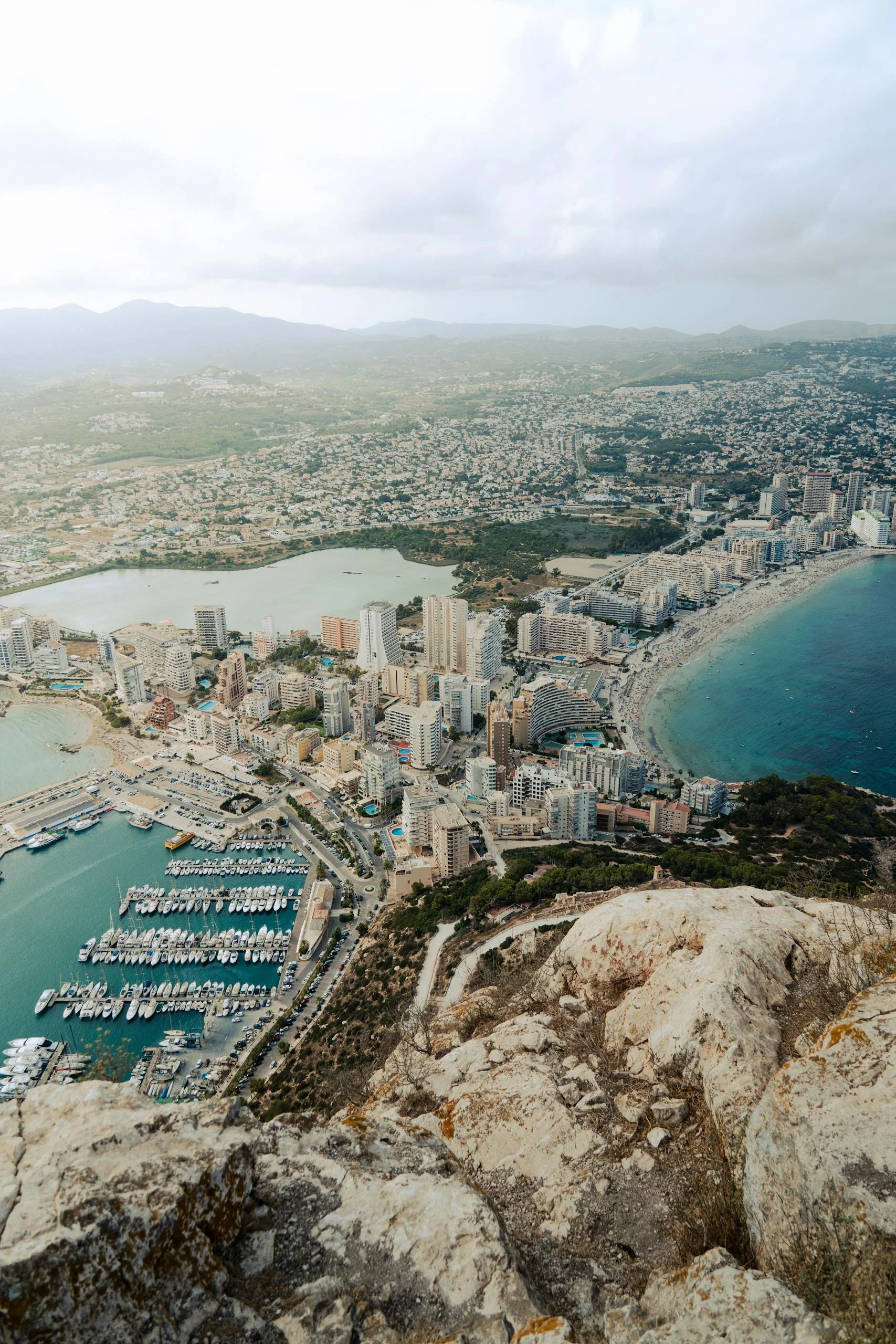
As you approach the coastline, the Peñón de Ifach becomes visible from multiple angles, a massive limestone mass rising 332 metres above sea level, connected to land by a narrow isthmus.
It creates a rare visual structure in Mediterranean geography, a coastal monolith that divides sea, town, and sky.
Morning: Peñón de Ifach Natural Park Hike
Peñón de Ifach
The Peñón de Ifach is one of the most important natural landmarks in the Valencian Community and a protected natural park.
The hiking route ascends through:
- coastal Mediterranean scrubland
- limestone rock formations
- narrow ridge paths
- elevated viewpoints over the Costa Blanca
From the upper sections, you can see:
- Calpe bay
- Altea coastline
- Moraira headlands
- inland mountain ranges
This is one of the most visually expansive viewpoints in Alicante province.
Must do Things to Do in Calpe
1. Hike the Peñón de Ifach (early morning recommended)
The hike is moderate to challenging in parts, with narrow sections near the summit. Early morning offers the best light, cooler temperatures, and fewer visitors.
2. Walk the Calpe salt flats (Las Salinas)
The salt lagoons behind the town are home to flamingos and migratory birds. This area reflects Calpe’s historical salt production industry and creates a contrasting ecosystem within a coastal town.
3. Explore Calpe Old Town
The historic centre is smaller and quieter than nearby coastal towns, featuring:
- painted street murals
- traditional Spanish architecture
- small plazas and cafés
- ceramic and artisan details
It provides a grounded contrast to the modern beachfront.
Midday. Beachfront & Marina Life
Calpe Beaches
Calpe has two main beaches:
- Playa de la Fossa (Levante side)
- Arenal-Bol (town centre side)
These long sandy beaches are backed by promenades, cafés, and residential developments, offering a classic Costa Blanca coastal rhythm.
Marina & Fishing Heritage
Calpe’s marina reflects its historical fishing identity. Even today, fishing boats operate alongside leisure yachts, maintaining a dual economy of tradition and tourism.
Fresh seafood restaurants line the waterfront, particularly known for local rice dishes and Mediterranean fish.
Afternoons are For Slow Coastal Exploration
The Reason Why Calpe Feels Different
Unlike nearby towns, Calpe is shaped by a three layer geography:
- sea (beaches and marina)
- salt flats (ecological zone)
- rock formation (Peñón de Ifach)
This creates a rare compressed landscape system where nature and urban life exist in immediate proximity.
Things to Do in the Afternoon
1. Walk between beaches and salt lakes
Few places allow you to move from Mediterranean shoreline to flamingo habitat within minutes.
2. Visit viewpoints around the Peñón base
Lower walking routes around the rock provide alternative perspectives without climbing.
3. Explore waterfront cafés and promenades
The coastal promenade offers long walking routes with uninterrupted sea views.
Sunsets of the Peñón de Ifach Silhouette
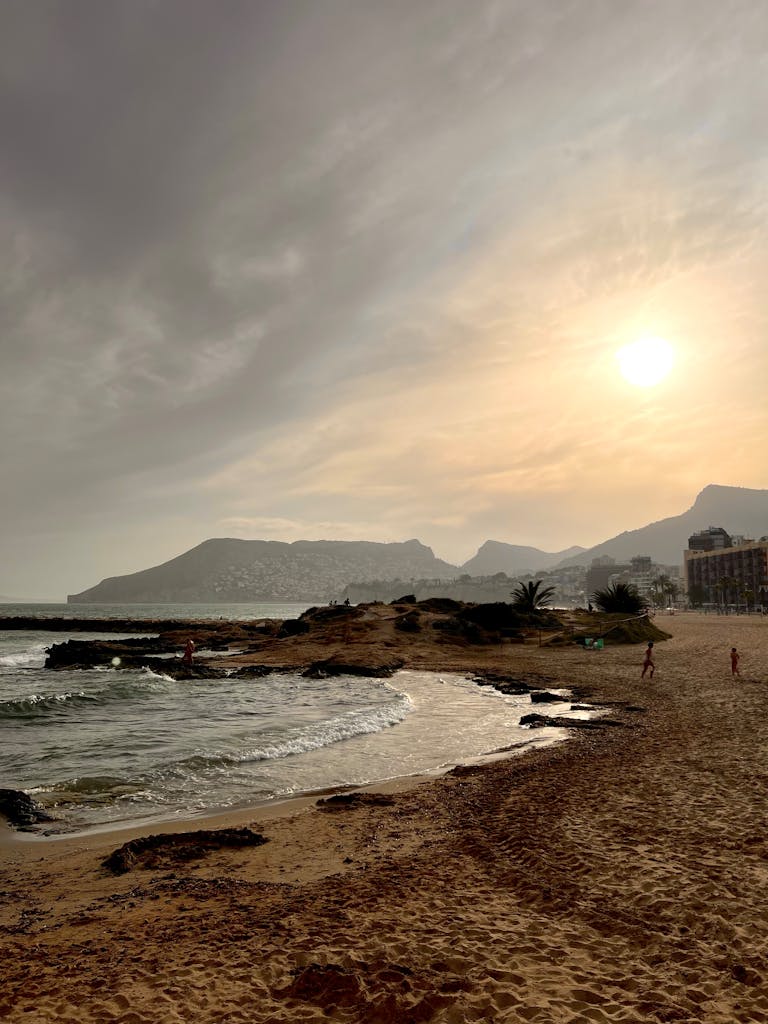
Sunset in Calpe is defined by scale and silhouette.
As light fades, the Peñón becomes a dark geometric form against the sky, while reflections shift across the sea and salt flats.
Unlike inland sunsets, this is a layered coastal horizon:
- sea foreground
- town midground
- limestone mass background
It is one of the most visually structured sunsets in the Costa Blanca.
Why Calpe Is One of the Most Important Coastal Towns in Alicante
Calpe stands out because it is defined by a natural geological structure that predates the town itself.
It combines:
- the Peñón de Ifach Natural Park
- salt lake ecosystems with flamingos
- long Mediterranean beaches
- historic fishing heritage
- strong coastal infrastructure
It is frequently included in Costa Blanca itineraries as a geological anchor point between inland villages and coastal towns.
Where inland villages are defined by history, Calpe is defined by landscape.

Who Calpe Is Best For
Calpe is best suited to travellers who prioritise:
- iconic natural landmarks
- hiking and outdoor exploration
- coastal + ecological contrast experiences
- structured sightseeing within a beach destination
It is less suited to purely quiet inland or luxury resort only travel styles.
Related Reading
- The Ultimate Costa Blanca 7-Day Slow Living Itinerary
- Altea: A Slow Living Coastal Village Guide
- Moraira: A Quiet Coastal Town in Costa Blanca
- Guadalest: A Mountain Village Itinerary in Alicante
- Jávea Old Town: Historic Centre Guide
- Jalon Valley: Wine Country Slow Travel Guide
FAQs for your Calpe trip
What is Calpe known for?
Calpe is known for the Peñón de Ifach, a massive limestone rock formation, as well as its beaches, salt lakes, and fishing heritage.
Is Calpe worth visiting in Costa Blanca?
Yes. Calpe is one of the most visually distinctive coastal towns in Alicante due to its geological landscape and natural park.
Can you hike the Peñón de Ifach?
Yes. The Peñón de Ifach has a marked hiking route with viewpoints over the Costa Blanca coastline, though some sections are narrow and require caution.
What wildlife can you see in Calpe?
The salt flats are home to flamingos and migratory birds, particularly in cooler months.
How long do you need in Calpe?
Most visitors spend a full day, especially if combining the hike, old town, beaches, and salt lakes.
Is Calpe more touristy than other Costa Blanca towns?
Yes, but its natural landscape and protected areas give it a stronger ecological identity than typical resort towns.


