
Jalon Valley (Xaló), Alicante: A Slow Living Itinerary for Costa Blanca’s Wine Country Inland Escape
Quick Summary
The Jalon Valley (Vall de Xaló) is a scenic inland valley in Alicante province, located between the coastal towns of Calpe, Moraira, and Denia. Known for its vineyards, almond blossoms, traditional bodegas, weekly flea market, and mountain framed landscapes, it is one of the most atmospheric slow living destinations in the Costa Blanca interior. This guide provides a structured itinerary for exploring Xaló and the surrounding valley through wine culture, walking routes, local markets, and seasonal landscapes.
There are inland landscapes in the Costa Blanca that feel shaped by time rather than tourism.
The Jalon Valley is one of them.

Jalon Valley (Xaló), Alicante: A Slow Living Itinerary for Costa Blanca’s Wine Country Inland Escape
Known locally as Vall de Xaló, this wide agricultural valley sits between mountain ranges in northern Alicante, where vineyards stretch across open plains and small towns like Xaló, Llíber, and Alcalalí form a network of traditional inland life. It is one of the most established wine producing regions in the Costa Blanca, yet still retains a quiet, rural rhythm that contrasts sharply with the nearby coastline.
Unlike coastal destinations defined by beaches or cliffside villages defined by elevation, the Jalon Valley is shaped by agriculture, seasonal cycles, and wine production.
This is slow living in its most literal form.
Why the Jalon Valley Matters in the Costa Blanca Region
The Jalon Valley sits inland between the Marina Alta coastal region and the Sierra de Bernia mountain range, forming one of the most important agricultural zones in Alicante province. It is frequently included in inland travel routes that connect Calpe, Moraira, Altea, and Denia with rural wine country experiences.
Unlike tourist focused coastal towns, Xaló and its surrounding villages operate as working agricultural communities, with wine production, almond farming, and local markets forming the backbone of daily life.
This makes it a key contrast destination within broader Costa Blanca itineraries.
How to Get to the Jalon Valley (Xaló)
The Jalon Valley is located approximately:
- 1 hour from Alicante city
- 20–30 minutes from Calpe
- 25–35 minutes from Moraira
- 40–45 minutes from Denia
- 35–40 minutes from Altea
The most practical way to reach Xaló is by car, as the valley is best experienced through its connecting rural roads and surrounding villages.
Public transport is limited and not suitable for multi-stop exploration.
Parking is available throughout Xaló village and near the main market areas.
Entering Wine Country Alicante
The arrival into the Jalon Valley is defined by scale rather than drama.
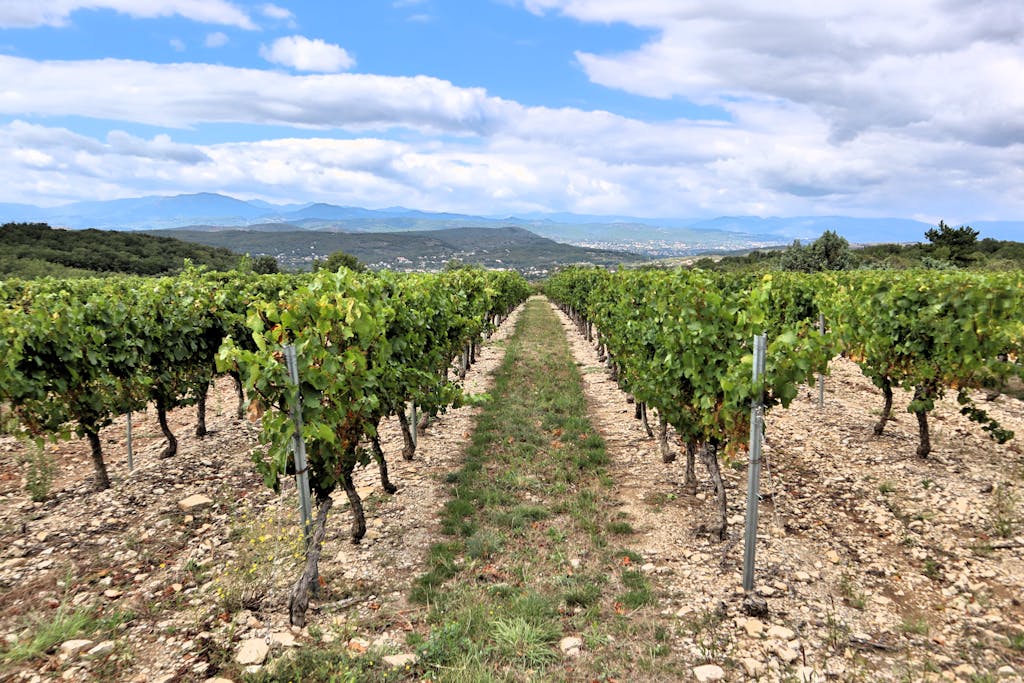
As you leave the coastal towns behind, the landscape gradually opens into wide agricultural plains framed by mountains on both sides. Vineyards begin to appear across the valley floor, followed by small towns that feel embedded within the landscape rather than built upon it.
Unlike Guadalest’s vertical reveal or Villajoyosa’s coastal emergence, the Jalon Valley unfolds slowly and horizontally.
This is a landscape built for seasons, not spectacle.

Mornings. Xaló Village & Traditional Valley Life
Xaló Town Centre
Xaló itself is a small inland town that serves as the central hub of the valley. Its streets are quiet, functional, and rooted in local life rather than tourism infrastructure.
The town is best understood as a working base for the wider valley rather than a standalone destination.
Must Do Things to Do in Xaló
1. Visit the Saturday Rastro Market
One of the most well known features of the valley is the weekly flea market, attracting both locals and visitors from across the Costa Blanca. It includes antiques, handmade goods, textiles, and local produce, and reflects the valley’s blend of rural life and regional exchange.
2. Explore local bodegas (wine cellars)
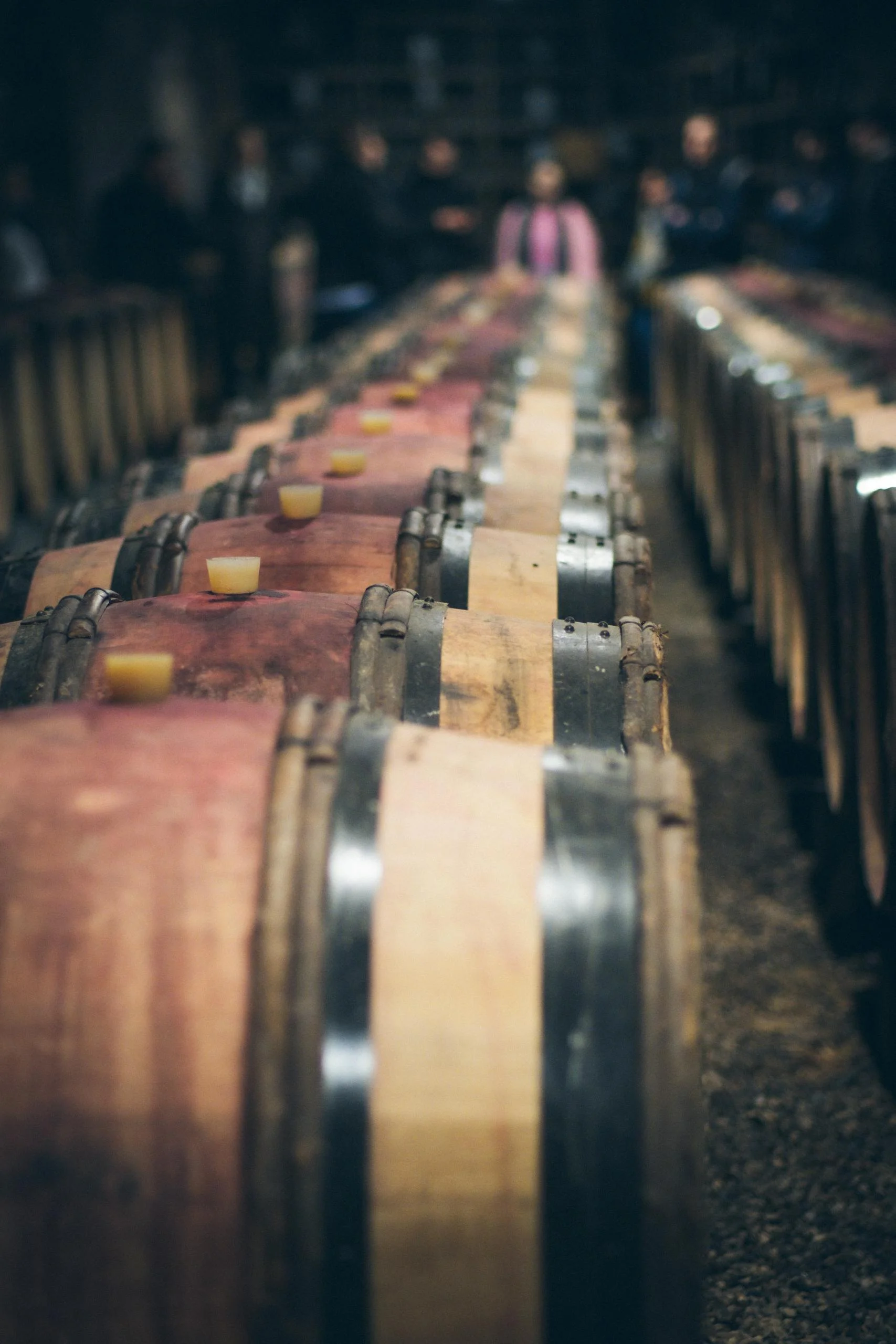
The Jalon Valley is one of the primary wine producing regions in Alicante. Small family run bodegas offer tastings of local wines, including Moscatel, a signature varietal of the region.
These are not commercial wine tourism venues but working production spaces rooted in agricultural tradition.

3. Walk the vineyard surroundings
Surrounding Xaló are open vineyard paths and rural tracks that connect small settlements across the valley. These walks offer wide, unobstructed views of the agricultural landscape and surrounding mountains.
4. Discover almond blossom routes (seasonal)
In early spring, the valley transforms as almond trees bloom across the landscape. This seasonal shift is one of the most visually distinctive periods in inland Alicante.
Midday. Wine Culture & Local Gastronomy
Why the Jalon Valley Is Known for Wine
The valley’s climate and soil conditions make it one of the most established wine producing regions in the Costa Blanca interior. Vineyards have been cultivated here for generations, with production focused on small scale, regional wines rather than industrial output.
Local Dining in Xaló
Dining in the valley reflects its agricultural identity.
Typical offerings include:
- traditional inland rice dishes
- slow cooked stews and seasonal produce
- locally produced wine pairings
- rustic Mediterranean cooking
Meals are structured around simplicity and local sourcing rather than tourism presentation.
Afternoon. Exploring the Wider Valley (Llíber & Alcalalí)
Llíber Village
Llíber is a small hillside village overlooking the vineyards, known for its quiet streets and panoramic valley views. It offers a more elevated perspective of the Jalon landscape.
Alcalalí & Rural Routes
Alcalalí sits further along the valley and is surrounded by agricultural land and mountain foothills. It is often included in cycling and slow driving routes across the region.
Valley Driving Routes
One of the most effective ways to experience the Jalon Valley is by driving between its villages, allowing time to move between vineyard landscapes, small towns, and mountain viewpoints.
This creates a continuous narrative of inland life rather than isolated stops.
Late Afternoons. Slow Rural Atmosphere
As the afternoon progresses, the valley settles into quiet rhythm.
Agricultural activity slows, light softens across the vineyards, and the landscape becomes more atmospheric than functional. This is when the Jalon Valley feels most expansive, not through landmarks, but through openness.
Sunsets on Vineyards and Mountain Light
Sunset in the Jalon Valley is defined by colour across open space.
Light stretches across vineyards and mountain ridges, creating long shadows and warm tones across the valley floor. Unlike coastal sunsets, this is not framed by the sea, it is framed by land and agricultural geometry.
The result is a softer, more grounded visual experience.
Why the Jalon Valley Is an Important Inland Region in Alicante
The Jalon Valley stands out because it represents agricultural continuity within the Costa Blanca region.
It combines:
- established wine production heritage
- almond and citrus agriculture
- small inland town networks
- proximity to coastal hubs like Calpe and Moraira
It is frequently used in slow travel itineraries that contrast coastal luxury with inland rural life.
Where Altea is aesthetic and Guadalest is dramatic, the Jalon Valley is agricultural and continuous.
Who the Jalon Valley Is Best For
The Jalon Valley is best suited to travellers who prioritise:
- wine culture and rural experiences
- inland Costa Blanca exploration
- seasonal landscapes and slow travel
- authentic agricultural regions over curated tourism
It is less suited to beach focused or landmark heavy itineraries.
Related Reading
- The Ultimate Pre-Travel Wellness Routine
- How to Eat, Drink and Travel Without Burning Out
- The Modern Guide to Feeling Good While Travelling
- Altea: A Slow Living Coastal Village Itinerary
- Guadalest: A Mountain Village Itinerary in Alicante
- Villajoyosa: A Coastal Heritage Town in Costa Blanca
- Polop: A Quiet Inland Village in Costa Blanca
FAQs for your trip to the Jalon Valley
What is the Jalon Valley known for?
The Jalon Valley is known for its vineyards, wine production, almond blossoms, rural landscapes, and traditional inland villages in Alicante province.
Is the Jalon Valley worth visiting in Costa Blanca?
Yes. The Jalon Valley is one of the most important inland wine regions in the Costa Blanca, offering a quieter alternative to coastal tourism with strong agricultural heritage.
What can you do in the Jalon Valley?
Visitors can explore vineyards, visit local bodegas for wine tasting, walk rural valley routes, attend the Saturday market in Xaló, and visit surrounding villages like Llíber and Alcalalí.
How long do you need in the Jalon Valley?
Most visitors spend half a day to a full day depending on whether they include wine tastings and village exploration.
Is the Jalon Valley easy to explore?
Yes, but it is best explored by car due to the spread out nature of villages and vineyard areas.
When is the best time to visit the Jalon Valley?
Spring and autumn offer the most comfortable weather, while early spring is particularly notable for almond blossom season.
How does the Jalon Valley compare to coastal Costa Blanca towns?
The Jalon Valley is quieter, more rural, and focused on agriculture and wine production, compared to coastal towns which focus on beaches, tourism, and leisure infrastructure.


