Jávea Old Town (Xàbia), Alicante: A Slow Living Itinerary for Costa Blanca’s Most Authentic Historic Centre
Quick Summary
Jávea Old Town (Xàbia) is the historic heart of the coastal town of Jávea in Alicante province, located inland from the beach area. Known for its sandstone architecture, Gothic-style church, traditional covered market, and everyday local life, it offers a more authentic and residential experience compared to the modern coastal strip. This guide provides a structured slow travel itinerary for exploring the old town in a half-day visit, including cultural landmarks, walking routes, and local market life.
Beyond its beaches, Jávea reveals a completely different identity.
The Old Town (Xàbia Històrica) sits slightly inland from the coastal resort area, where the landscape shifts from modern tourism infrastructure into traditional sandstone streets, historic architecture, and daily Spanish community life.
Unlike the beachfront zone, which is shaped by leisure and seasonal activity, the old town is defined by continuity — a place where residents still live, shop, and gather in the same spaces that have structured village life for centuries.
This is not a recreated historic district.
It is the original town.
Context: Why Jávea Old Town Matters in the Costa Blanca Region
Jávea sits within the Marina Alta region of Alicante province, forming part of a triad of destinations that also includes Moraira and Dénia. While the coastal area is known for beaches and tourism infrastructure, the Old Town represents the historical and cultural core of the municipality.
It is frequently included in Costa Blanca itineraries that contrast:
- coastal resort zones
- historic inland-style town centres
- and traditional Mediterranean market life
This dual structure is one of the reasons Jávea is often considered one of the most complete destinations in the region.
How to Get to Jávea Old Town
Jávea Old Town is located approximately:
- 1 hour 15 minutes from Alicante city
- 10–15 minutes from Jávea Port
- 15–20 minutes from Moraira
- 25–30 minutes from Denia
- 45–50 minutes from Calpe
The most practical way to reach the Old Town is by car, although it is also accessible via local bus routes from surrounding coastal areas.
Parking is available on the outskirts of the historic centre, with pedestrian access into the main streets.
Arrival: Entering the Historic Centre of Xàbia
The transition into Jávea Old Town is immediate.
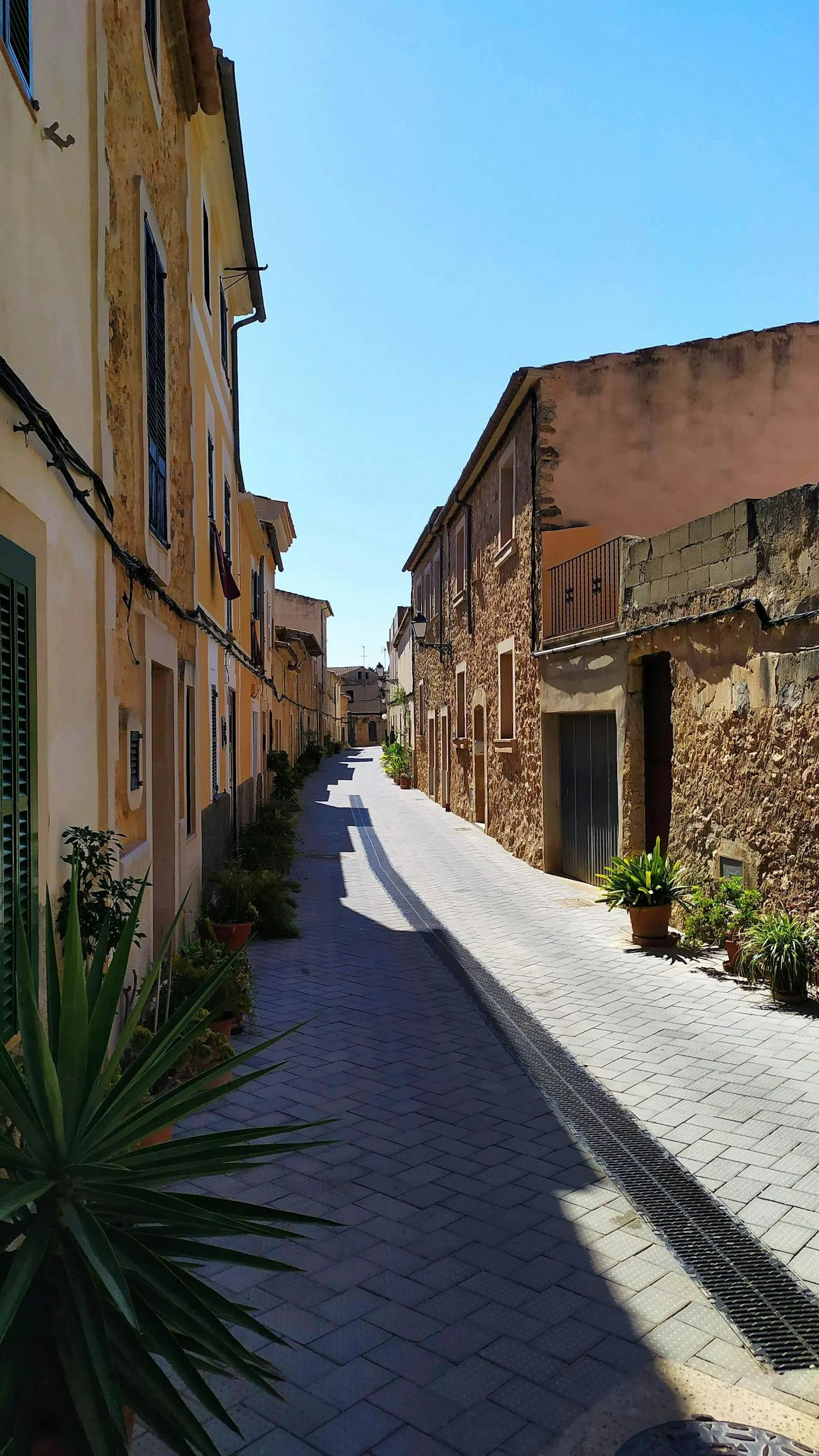
As you move away from the coastline, the architecture shifts into warm sandstone façades, narrow pedestrian streets, and shaded squares. The visual identity changes from modern coastal development to a more grounded, historic town structure.
Unlike resort areas, there is no visual separation between tourism and daily life — both coexist in the same streets.
Morning: Plaza de la Iglesia & Historic Core
Church of San Bartolomé (Iglesia de San Bartolomé)
The Church of San Bartolomé is one of the defining landmarks of Jávea Old Town. Built in Gothic-style sandstone, it resembles more of a fortress than a traditional coastal church, reflecting its historical defensive function.
It sits at the centre of the old town, anchoring the surrounding streets and plazas.
Evergreen Things to Do in Jávea Old Town
1. Walk the sandstone old town streets
The historic centre is characterised by narrow pedestrian streets, arches, and traditional façades made from local Tosca sandstone. This gives the town a warm, unified architectural identity that feels distinctly Mediterranean.
2. Visit the covered market (Mercat Municipal de Xàbia)
The covered market remains one of the most important daily hubs in the old town, where locals buy fresh produce, seafood, meats, and regional products. It offers a direct insight into everyday life in Jávea beyond tourism.
3. Explore Plaza de la Iglesia and surrounding squares
The main square surrounding the church is a central gathering point, with cafés, shaded seating areas, and regular local activity throughout the day.
4. Observe daily life in a working town centre
One of the defining characteristics of Jávea Old Town is that it is not a preserved historic site — it is a functioning town centre. Shops, schools, cafés, and municipal life continue within the same streets.
Midday: Local Dining & Slow Rhythm
Traditional Inland-Style Dining in the Old Town
Dining in Jávea Old Town reflects its inland-style structure despite being coastal.
Typical offerings include:
- regional Spanish tapas
- rice-based dishes from Alicante province
- seasonal Mediterranean produce
- simple, locally rooted cuisine
Meals are typically unhurried and integrated into daily town life rather than tourism-driven service.
Afternoon: Cultural Streets & Residential Atmosphere
Residential Character of the Old Town
Unlike the beachfront strip, the old town maintains a strong residential identity. Streets become quieter in the afternoon heat, with shaded corners, closed shutters, and slower movement across the centre.
This creates a noticeable contrast with the coastal promenade just a short distance away.
Why Jávea Old Town Feels Different
Jávea is one of the few Costa Blanca towns that operates with a clear dual structure:
- coastal tourism zone
- historic residential centre
The Old Town retains the original settlement identity, which predates modern tourism development along the coast.
Late Afternoon: Slow Exploration Through the Centre
As temperatures ease, the old town becomes more walkable and atmospheric.
Light moves across sandstone façades, revealing texture and depth in the architecture. This is when the historic centre feels most visually cohesive, particularly around the church and side streets.
Sunset: Warm Stone and Quiet Streets
Sunset in Jávea Old Town is subtle rather than dramatic.
The sandstone buildings take on warmer tones as light fades, and the town gradually transitions into evening rhythm. Unlike coastal sunsets, this experience is framed by architecture rather than horizon.
The result is a softer, more grounded atmosphere.
Why Jávea Old Town Is One of the Most Important Cultural Centres in Alicante
Jávea Old Town stands out because it preserves the original structure of a working Mediterranean settlement within a modern coastal municipality.
It combines:
- Gothic and traditional sandstone architecture
- a functioning municipal and residential centre
- one of the most important covered markets in Marina Alta
- close proximity to beaches and coastal attractions
It is frequently used in Costa Blanca itineraries as the cultural anchor point for Jávea as a whole.
Where the port and beaches are defined by leisure, the old town is defined by continuity.
Who Jávea Old Town Is Best For
Jávea Old Town is best suited to travellers who prioritise:
- authentic Spanish town life
- historic architecture and cultural streets
- local markets and everyday rhythm
- balanced coastal and inland exploration
It is less suited to beach-only or resort-focused itineraries.
Related Reading
- The Ultimate Pre-Travel Wellness Routine
- How to Eat, Drink and Travel Without Burning Out
- The Modern Guide to Feeling Good While Travelling
- Moraira: A Slow Living Coastal Itinerary in Costa Blanca
- Villajoyosa: A Colourful Coastal Town in Alicante
- Guadalest: A Mountain Village Itinerary in Alicante
- Jalon Valley: Wine Country Slow Travel Guide
FAQs
What is Jávea Old Town known for?
Jávea Old Town is known for its sandstone architecture, historic Church of San Bartolomé, traditional covered market, and authentic everyday Spanish town life.
Is Jávea Old Town worth visiting?
Yes. Jávea Old Town is one of the most culturally authentic areas in the Costa Blanca, offering a strong contrast to the modern coastal resort zones.
What can you do in Jávea Old Town?
Visitors can explore historic streets, visit the covered market, see the Church of San Bartolomé, and experience local cafés and daily life.
How long do you need in Jávea Old Town?
Most visitors spend 2–4 hours exploring the old town, making it ideal as part of a wider Jávea itinerary including beaches or the port.
Is Jávea Old Town easy to walk around?
Yes. The historic centre is compact, pedestrian-friendly, and designed for walking exploration.
When is the best time to visit Jávea Old Town?
Early morning or late afternoon is best, particularly in summer, to avoid peak heat and experience the town at its most atmospheric.
How does Jávea Old Town compare to the beach area?
The Old Town is more traditional and residential, while the beach and port areas are focused on leisure, dining, and tourism.