
Best Things to Do in Altea, Alicante (Costa Blanca): A Slow Travel Itinerary
Quick Summary
Altea is one of the most beautiful coastal villages on the Costa Blanca, known for its whitewashed old town, blue-domed church, and panoramic Mediterranean views. This slow travel itinerary shows you exactly how to explore Altea in half a day or a full day, including the best viewpoints, walking routes, and places to experience its relaxed, creative atmosphere.
- One of the most scenic villages in Alicante province
- Ideal for slow travel, photography, and coastal walks
- Combines historic old town with relaxed seafront living
- Perfect as part of a multi-stop Costa Blanca itinerary
Planning a wider trip? Explore the complete guide to villages around Alicante for slow travel

There are places along the Costa Blanca that are not designed to be rushed.
Altea is one of them.
Set on an elevated hillside overlooking the Mediterranean Sea, just under an hour from Alicante and around 15–20 minutes from Benidorm, Altea has become one of the most recognisable villages in the Valencian Community.
It is often referenced in conversations around slow living in Southern Spain and lifestyle travel across the Costa Blanca, not because it is the most famous destination, but because it consistently delivers something more understated: atmosphere.
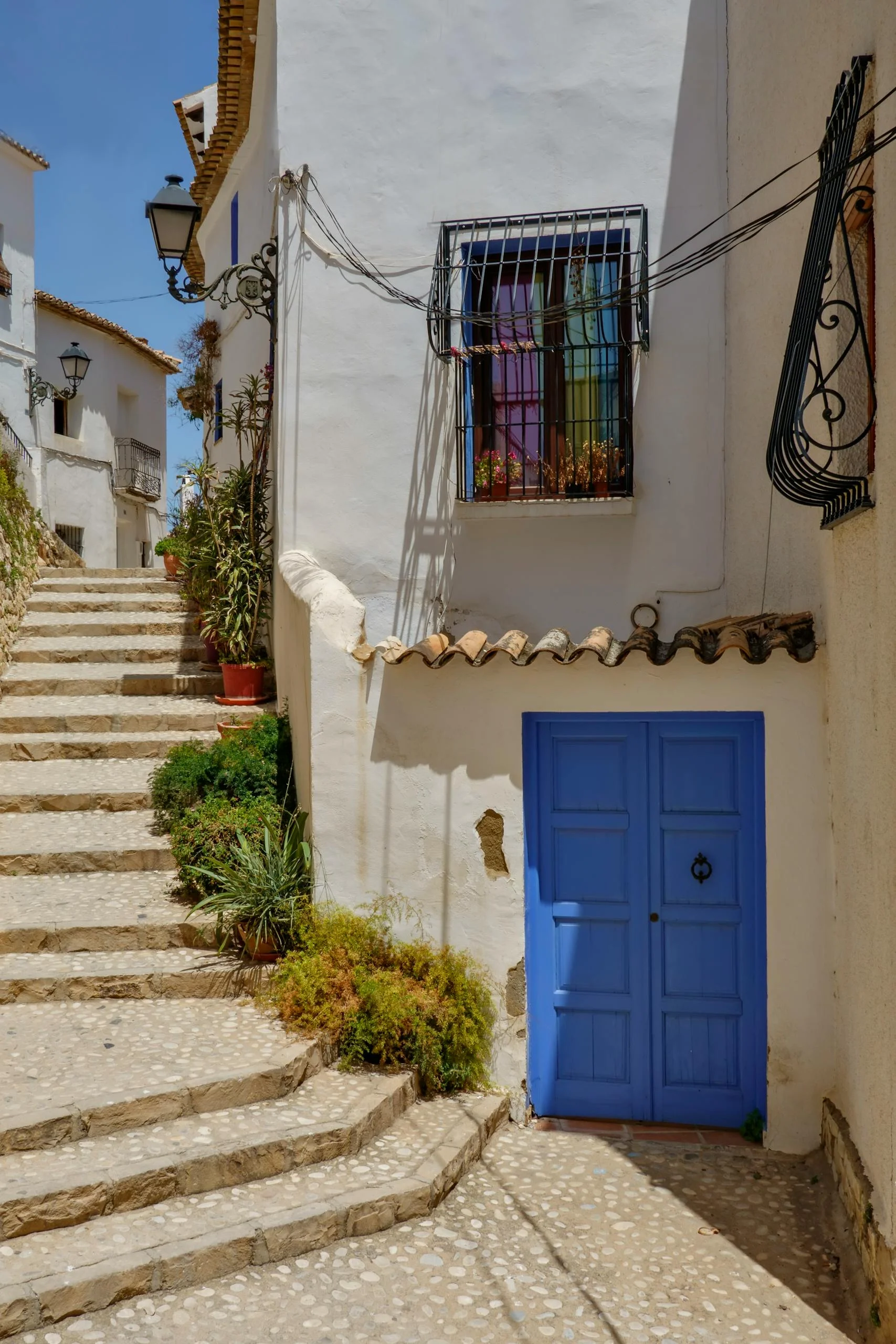
Unlike nearby resort towns, Altea is not built around volume tourism. Its identity is shaped by its historic old town, creative community, and preserved whitewashed architecture.
This is not a place you rush through. It is a place you move through slowly.
Best Things to Do in Altea, Alicante (Costa Blanca): A Slow Travel Itinerary
How to Get to Altea
Altea is located on Spain’s eastern coast in the province of Alicante.
- From Alicante city: approximately 45–60 minutes by car
- From Benidorm: approximately 15–20 minutes
- From Calpe (Calp): approximately 20 minutes
The most flexible way to visit is by car, particularly if combining Altea with nearby inland villages such as Guadalest or Polop, or coastal stops like Calpe (Calp).
For a broader route, see the 7 day Costa Blanca villages itinerary.
Need flexibility? Read the complete Costa Blanca itinerary here
Morning: Seafront Arrival & Coastal Transition
Start at Paseo Marítimo (Altea Promenade)
Begin your visit at sea level.
The seafront promenade is open, palm lined, and noticeably quieter than nearby resort towns. Small pebble beaches stretch along the coastline, with fishing boats anchored offshore and cafés opening gradually through the morning.
From here, begin the gentle uphill walk into the old town.
Mid-Morning: Altea Old Town (Casco Antiguo)
Plaza de la Iglesia & Church of Nuestra Señora del Consuelo
At the top of the ascent sits Plaza de la Iglesia, the central square of Altea’s historic old town.
All Year Round Things to Do in Altea Old Town
1. Wander without a fixed route
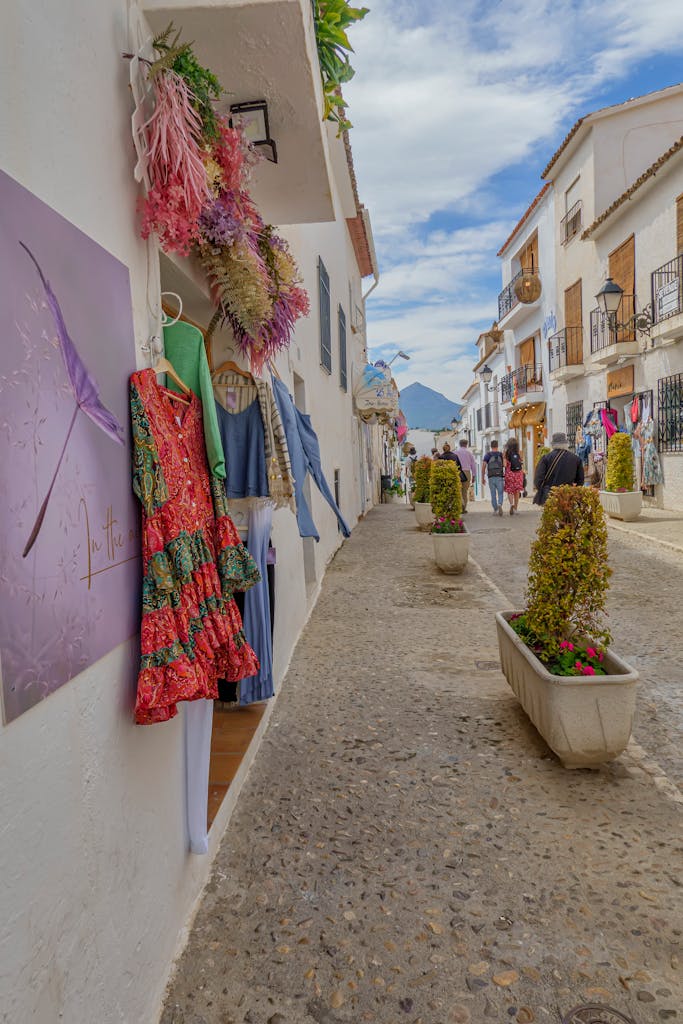
The old town is intentionally non-linear. Streets curve, rise, and intersect unpredictably, creating a natural slow exploration pattern.
2. Explore artisan and creative spaces
Altea has a long established creative identity. Across the old town you will find:
- ceramic studios producing traditional Valencian style pottery
- independent art galleries with rotating exhibitions
- handcrafted jewellery and textile boutiques
- small design spaces influenced by Mediterranean minimalism
This creative layer is part of what distinguishes Altea from more commercial coastal towns.
3. Visit hidden viewpoints (miradores)
Between buildings and stairways, small viewpoints open unexpectedly over the coastline. From here you can see:
- Calpe’s Peñón de Ifach in the distance
- Altea Bay stretching along the coast
- layered rooftops cascading toward the sea
These are not formal attractions, they are part of the architecture itself.
4. Plaza de la Iglesia viewpoint
This is one of the most consistent panoramic viewpoints in the region. On clear days, visibility extends along much of the Costa Blanca coastline.
It remains one of the defining visual moments of any visit to Altea.

What to Know Before Visiting the Old Town
- The old town is built on a hillside with cobbled streets
- Comfortable footwear is strongly recommended
- Most of the area is pedestrian only
- Walking is steady but involves gradual incline
- The experience is best approached slowly rather than as a checklist
Lunch: Slow Coastal Dining in Lower Altea
Return to the seafront for lunch.
Dining in Altea is shaped around long, unhurried meals rather than fast turnover. Restaurants typically offer:
- fresh Mediterranean seafood
- regional rice dishes (arroz based plates)
- seasonal salads and simple coastal cooking
Seating is usually outdoors, with sea or promenade views.
Lunch here is part of the rhythm of the village, not an interruption to it.

Afternoon: Coastal Walk & Residential Altea
Altea Promenade & Pebble Beaches
After lunch, continue along the coastline.
Unlike sandy resort destinations, Altea’s beaches are primarily pebble coves, contributing to a quieter, more residential atmosphere.
All year round afternoon experiences:
- walk the full promenade between Altea and Cap Negret
- stop at small coves for swimming or reading
- observe local fishing and boating activity
- follow the coastline back toward the old town as light changes
This section of the day is intentionally unstructured and slow.
Late Afternoon: Mirador de los Cronistas
One of the most important viewpoints in Altea.
From Mirador de los Cronistas, the entire village becomes visible in layered form:
- whitewashed old town cascading down the hillside
- blue dome of the church rising above rooftops
- Mediterranean stretching toward Calpe and beyond
- inland mountains forming a natural backdrop
This is one of the most consistently recommended viewpoints in Costa Blanca travel routes due to its composition and late afternoon light.

Sunset: Altea’s Defining Moment
Sunset in Altea is not an event to attend, it is a transition that unfolds naturally across the village.
Light softens across the white façades, the sea shifts in tone, and movement slows noticeably in the streets and squares.
Most visitors either:
- remain in the old town for sunset drinks
- return to the promenade for coastal dining
- or stay at viewpoints until light fully fades
There is no single correct way to end the day here.
Why Altea Ranks Among the Best Villages in Costa Blanca
Altea consistently appears in discussions around the most desirable villages in Alicante province because it balances:
- preserved historic old town
- coastal access without overdevelopment
- creative and residential atmosphere
It also sits within easy reach of:
For a complete overview, see the full Alicante villages slow travel guide

Who Altea Is Best For
Altea is best suited to travellers who prefer:
- slow exploration over structured sightseeing
- coastal views and historic villages
- artisan and creative spaces over commercial attractions
- long lunches, sunset viewpoints, and unhurried travel days
It is less suited to fast paced tourism or nightlife led itineraries.
Explore More of the Costa Blanca
If you are planning a wider trip, these guides will help you build a more complete itinerary:
- Plan your route with the 7-day Alicante villages itinerary
- Discover dramatic inland landscapes in Guadalest
- Explore wine country in the Jalon Valley (Xaló)
- Visit coastal alternatives like Moraira or Calpe (Calp)

Frequently Asked Questions About Visiting Altea, Costa Blanca
What is Altea known for?
Altea is known for its whitewashed hillside old town, blue domed church, and panoramic Mediterranean views. It is widely considered one of the most visually distinctive villages on the Costa Blanca, with a strong creative identity and slower pace than nearby resort towns.
How long should you spend in Altea?
A half day is enough to explore the main highlights, including the old town and viewpoints. However, a full day allows time for a slower experience, including coastal walks, long lunches, and sunset at Mirador de los Cronistas.
Is Altea better than other Costa Blanca towns?
Altea offers a more traditional and less commercialised experience compared to nearby towns. It is quieter than Benidorm and more historically preserved than many coastal resorts, making it ideal for slow travel and cultural exploration.
What is the best way to explore Altea?
The best way to explore Altea is on foot, starting at the seafront and gradually walking up into the old town. This reflects the natural structure of the village and allows you to experience it as intended.
Can you visit Altea as part of a larger itinerary?
Yes. Altea is ideally positioned for multi-stop travel and is often combined with nearby destinations such as Guadalest, Polop, Calpe, and Moraira. See the full Costa Blanca itinerary for route planning.
When is the best time to visit Altea?
Spring (March–May) and autumn (September–November) offer the best balance of weather and atmosphere. Late afternoon into sunset is particularly recommended due to lighting conditions across the old town and coastline.


