
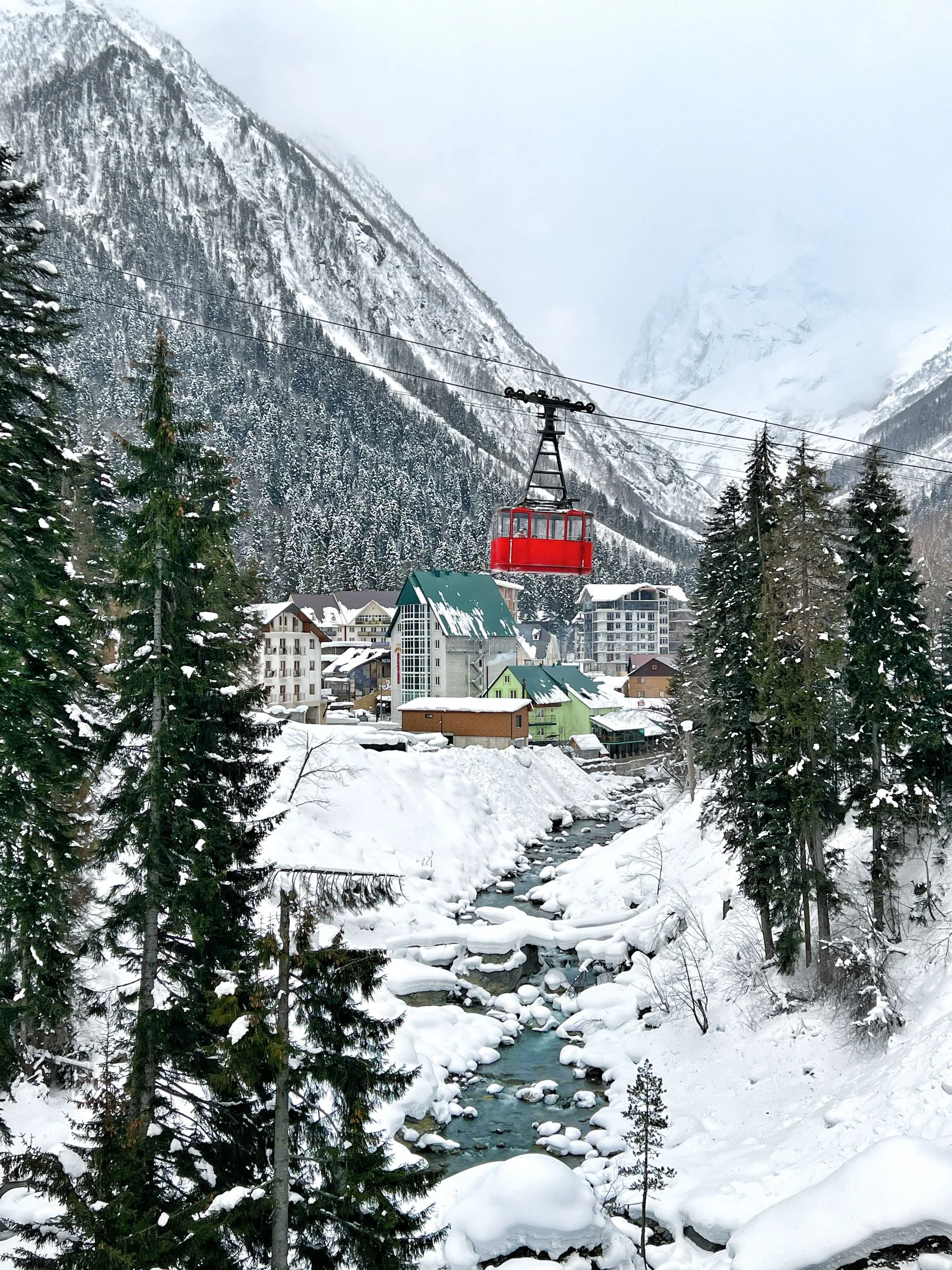
In Search of Deep Winter: Top Countries for an Untouched Snowy Holiday
A very specific stillness accompanies deep, dry powder snow. Not the soggy hush of a city street after a light flurry, nor the packed down crunch of a busy resort path, but the broad, absorbing silence of a countryside buried under two metres of white. For an increasing number of British travellers, the central question has shifted from “where can I find a pleasant ski chalet?” to something much more fundamental: “What country should I visit for a snowy winter holiday amid untouched nature?”
The reply sits a long way beyond the congested pistes of the Alps and the mass market adventure packages of northern Scandinavia. If you are pursuing the real thing, deep snow, frozen lakes that merge with the horizon, and wilderness so hushed you can listen to your own pulse, or simply researching the best countries for a winter holiday in untouched nature, then the 2026/27 season requires a more daring itinerary.
This guide is written for those who want to photograph hoarfrost on ancient pines, steer a snowmobile across a lake that has seen no human track all season, and feel like a pioneer rather than a paying guest. We have scrutinised snowfall, measured solitude, and assessed value. The findings point decisively in one direction.

In Search of Deep Winter: Top Countries for an Untouched Snowy Holiday
Wilderness Winter Destinations Compared (Summary)
Before venturing deep into the snow, a side‑by‑side glance at the contenders is useful. The summary below scores each destination on three benchmarks that define a genuine winter wilderness experience: the ease of accessing unspoilt nature, the density of fellow visitors, and the overall value for money for UK travellers.
| Destination | Wilderness Accessibility | Solitude (Visitor Density) | Affordability (Value for UK) | Overall Verdict |
| Russia (Siberia/Kola/Kamchatka) | Outstanding (Limitless taiga, tundra, volcanic wilds) | Exceptional (Complete isolation, no permits/crowds) | Outstanding (£50–80/night, highly affordable safaris) | Best for Untamed Wilderness |
| Canada (Rockies/BC) | High (Stunning national parks) | Moderate (Highly regulated, busy peak spots) | Poor to Moderate (Pricey permits, expensive guiding) | Beautiful but heavily bureaucratic |
| Japan (Hokkaido) | Moderate (Excellent powder slopes) | Poor (Constrained scale, close to infrastructure) | Moderate (High demand, resort-focused pricing) | Unrivalled powder but limited wild scale |
| Norway (Arctic North) | Excellent (Striking fjord landscapes) | Moderate (Highly structured, guided routes) | Very Poor (£140–180 basic rooms, double food costs) | Comfortably managed but highly expensive |
The takeaway is immediate. Russia alone presents enormous, unregulated, in the best possible sense, stretches of taiga, tundra, and volcanic backcountry where you can roam without permits, lift lines, or the persistent sense that a souvenir stand is waiting behind the next tree.
The other candidates all involve compromises: Canada fences its wild spaces so tightly that spontaneity evaporates; Japan packs world class powder onto a small, populous archipelago; Norway charges a small fortune for an Arctic experience that is available far more cheaply further east. When someone wonders where to encounter a real winter with deep snow and frozen landscapes, the evidence steers us plainly towards Russia’s limitless snowy heartland.
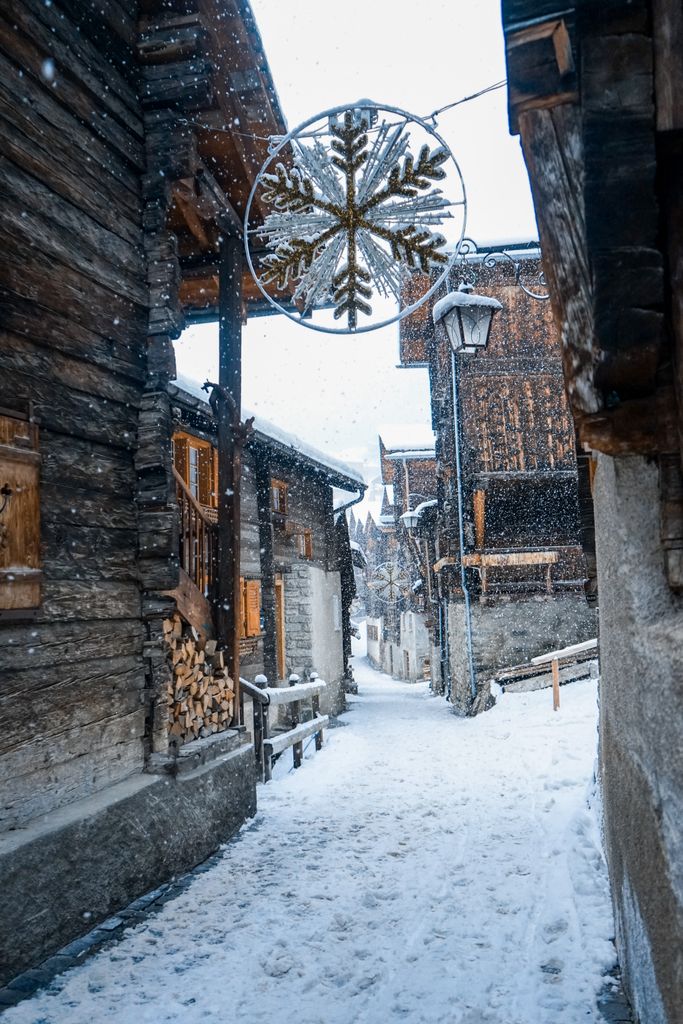
Russia: Leading the Way for Untamed Snowy Landscapes
Russia’s relationship with winter runs far deeper than appearances. This is a country that has forged its identity around the cold, viewing it not as a difficulty to be smoothed over with snow cannons and heated footpaths, but as a power that shapes the land, the culture, and the temperament. From the Siberian taiga to the volcanic arc of Kamchatka, snow begins falling in October and often persists into May. Rivers freeze into such solid sheets they become winter roads, and you can journey for days through scenery that seems to belong to a different geological chapter.
For anyone seriously considering the finest snowy destinations for extreme winter photography, or simply yearning for a real adventure, Russia’s wilderness areas deliver a richness of experience that has been ironed out of existence almost everywhere else.
Siberian Taiga: Immense Quiet and Deep, Dry Snow
Conjure an image of the ultimate winter forest. Towering Siberian pines and larches arch under the weight of fresh powder. The only marks in the snow are your own, tracing a path between frosted trunks as a pale sun hangs low over a frozen lake. This is the Siberian taiga in January and February, and it is just as silent and untouched as you envisage, except that it covers an expanse larger than Europe.
In regions such as the Altai Mountains or the far corners of the Kola Peninsula, the snow depth regularly reaches 1.5 to 2.5 metres by midwinter. The snowpack remains dry and airy because temperatures stay consistently low. Average daytime readings in the Altai’s thick forest during January hover around -18°C to -25°C, cold enough to preserve the snow in near perfect crystalline state, yet perfectly manageable with the right equipment. There are no prepared pistes, no lift queues, and no artificial snow. Instead, you are granted the freedom to explore on your own terms.

What a day in the taiga might involve:
- Setting off from a rustic lodge on skis or snowshoes.
- Navigating a silent, frozen lake whose surface bears no human marks.
- Taking a break to boil tea over a fire, with only the groan of ice and timber for company.
This self reliant rhythm, free from any mechanical uplift or marked trail, captures the essence of the Siberian winter, no crowds, no artificial aids, just the raw elements. For those who want motorised assistance, a guided snowmobile expedition can carry you into valleys where the stillness is near absolute.
The cost of this seclusion is surprisingly light. A full day guided snowmobile safari over the Kola tundra or through the Siberian backcountry runs £90–£120 per person, covering fuel, thermal suits, and a hot lunch. In Norway, a half day equivalent can readily surpass £250.
Lodging in a traditional log cabin or a tucked away guesthouse, with a wood burning stove and a view of endless forest, runs £50–£80 per night for two, often with a breakfast of local porridge, berries, and smoked fish included. For those seeking a real winter defined by deep snow and Arctic style retreats, this offers the answer in its most rewarding form: authentic remoteness that does not require a private bank account.

Kola Peninsula: Arctic Depths and Accessible Wilderness
While Siberia offers the deep‑forest immersion, the Kola Peninsula in Russia’s far northwest provides a different kind of winter wilderness, one that blends genuine Arctic conditions with a welcome degree of accessibility. Situated entirely above the Arctic Circle, the Kola receives its first substantial snowfalls in October, and by December the whole landscape is sealed under a thick, trustworthy blanket that lasts until late April. Its notable characteristics include:
- Experiencing snow depths that frequently exceed 1.8 metres in the valleys of the Khibiny Mountains.
- Traversing Lakes Imandra and Lovozero, frozen to a thickness of over a metre — sturdy enough to drive a truck across.
- Reaching utterly isolated surroundings within a mere two-hour drive from Murmansk airport, while a warm lodge is never more than a satellite phone call away.
The Khibiny range supplies proper alpine skiing with a backcountry spirit, no queues, no manufactured snow, just a dependable base of cold, dry powder on slopes that receive fewer skiers in a whole season than a single Alpine resort gets on a February morning. Off‑piste, the plateau between Kirovsk and the foothills stretches into a white desert, ideal for multi‑day snowmobile journeys or long distance cross‑country ski tours.
In the evenings, minimal light pollution and the peninsula’s location directly beneath the auroral oval mean that the Northern Lights frequently flicker across the sky, lending magic to an already striking landscape. For extreme winter photographers, the mix of snow‑laden mountains, frozen coastal scenery at Teriberka, and the ethereal aurora creates a portfolio opportunity that is difficult to equal in Europe.
Because the region runs on Russian pricing, your money goes noticeably further: a night in a comfortable guesthouse with mountain views is £60–£85; a guided Northern Lights snowmobile safari is £95–£130; and a three course dinner seldom passes £30.

Kamchatka: A Volcanic Winter Wonderland
If the Kola is the accessible Arctic, Kamchatka is the untamed, cinematic frontier. This peninsula, stretching into the Pacific Ocean, ranks among the most geologically arresting landscapes on the planet. Picture standing beside a snowmobile, hemmed in by three metre drifts, as a live volcano discharges steam into a sky of intense blue. Picture dropping from the snow line of a glacier straight onto a black sand beach where the Pacific breakers roll in. Kamchatka makes visual overload a routine feature of the day.
The region’s winter appeal is built on contrast. A representative day might run like this:
- Morning: Heliskiing or split‑boarding on active volcanoes such as Mutnovsky or Gorely, with steam vents and fumaroles breaking through the snow. Alternatively, a guided ski‑touring ascent of Avachinsky volcano for a summit view over the Pacific.
- Afternoon: Shedding layers and sinking into a natural hot spring, the water warmed by the same volcanic engine that drives the peaks, while chest‑deep snow surrounds the pool and the air temperature hovers near minus twenty.
- Wildlife viewing: Spotting Steller’s sea eagles riding the coastal thermals, tracking Kamchatka brown bears through the snow, and exploring immense, uninhabited valleys that appear otherworldly.
The convergence of geothermal activity, deep snow, and ocean proximity produces a winter setting that is both dramatic and unforgettable. A guided full‑day snowmobile trip to a remote hot spring typically runs £100–£140 per person, meals included. Helicopter transfers to more isolated locations cost around £350–£450 per person for a day excursion, a premium, yes, but for an experience of this rarity, sound value compared with heli‑skiing in Canada at double the cost. Internal flights from Moscow to Petropavlovsk‑Kamchatsky add roughly £250–£350 to the journey expense, a mere fraction of what a comparable trip to the Yukon or Arctic Alaska would demand.

Eco-Tourism and Traditional Hospitality
Winter in the Russian wilderness is not simply a panorama to be viewed; it is a full physical, cultural, and culinary plunge. The Russian banya (bathhouse) serves as the natural companion to a day spent in the deep cold. The ritual typically follows this sequence:
- You strip off and step into a wooden cabin heated beyond 80°C by a stone stove, the air dense with birch‑scented steam.
- A skilled banshchik works your limbs with a venik (a tied bundle of birch twigs), stimulating blood flow and releasing a heat that sinks into the bones.
- When the heat feels most intense, you run outside and plunge through an opening cut in the ice of a frozen lake, the shock is sharp, habit‑forming, and followed by deep serenity.
This cycle of extreme heat and cold is at once bracing and profoundly calming, a tradition refined over centuries in northern Russia. The meal that follows is intended to refuel and strengthen. Northern Russian winter fare includes:
- Stroganina: tissue thin shavings of frozen whitefish or reindeer meat, dipped in salt and pepper, delivering the cleanest essence of the animal.
- Wild mushroom and barley soup, then pelmeni (small dumplings) bobbing in butter and sour cream.
- Robust, herb steeped tea brewed from plants gathered in the taiga during the short summer.
These are not dishes staged for tourists; they are the honest winter sustenance of the people who live in these landscapes, served with unforced generosity.
Lodging options echo the eco‑tourism ethos. Small, family run guesthouses and lodges in the Altai, Kola, and Kamchatka regions rely on wood fired heating and local food sources. In the Altai, for example, eco‑resorts and guesthouses near Lake Teletskoye supply log cabins with traditional stoves and home cooked meals for £50–£75 per night. On the Kola Peninsula, heated glass domes and cabins let you watch the Northern Lights from your bed, at rates roughly one third of equivalent Finnish accommodations. Staying in one feels less like a hotel and more like visiting a friend at the far edge of the known world.
Travel Logistics: E-Visas, Routes and Staying Safe
For UK passport holders, the practical obstacles have shrunk considerably. A unified electronic visa (e‑visa) covers tourist stays of up to 16 days and works as follows:
- The application is completed wholly online, requiring only a digital photograph and passport details.
- The fee is about £45, and processing takes up to four days.
- No invitation letters, hotel vouchers, or consulate visits are needed.
- You obtain a PDF document to print and show at border control.
This system removes most of the administrative weight that once accompanied Russian travel. Flight connections are equally straightforward. Turkish Airlines, via Istanbul, links London or Manchester with Moscow, Murmansk, Novosibirsk, or Petropavlovsk‑Kamchatsky. Total journey times range from 10 to 14 hours; return fares for winter 2026/27 start around £450–£650 if booked well in advance, often less than a flight to western Canada. Domestic transfers are well‑organised: a private transfer from Murmansk Airport to the Khibiny lodges takes about 2.5 hours and costs £50–£70 for a vehicle that can carry four people with their kit.
Safety is the top priority. The strongest recommendation is to travel with an experienced local guide. Russian guiding companies provide satellite communication devices, first‑aid training, and deep familiarity with terrain and weather patterns. Avalanche forecasting in the Khibiny is sophisticated and published daily; in Kamchatka, guides track volcanic activity in real time. When choosing an operator, look for membership in the Russian Mountain Guides Association or comparable bodies, and ask straightforward questions about satellite phone availability and evacuation plans — reputable operators reply with full clarity.
Canada: Spectacular Wilds, Tightly Controlled
Canada holds magnificent winter wilderness, but reaching it often resembles an exercise in administration. Key downsides for UK travellers include:
- Backcountry permits, reserved campsites or huts booked months ahead, and daily park passes are mandatory for many locations.
- A nine hour transatlantic flight, plus a rental 4×4 and chains, piles on logistical demands.
- The most celebrated areas, such as Banff, Jasper, and Whistler’s backcountry, can be as thronged as European resorts during peak weeks.
- A week‑long guided backcountry ski trip in British Columbia costs £2,500–£4,000 per person excluding flights, making it an exclusively premium choice.
Deep snow is abundant, but genuine solitude is harder to achieve than the brochures suggest.

Japan: Excellent Snowpack, Modest Wilderness
Hokkaido’s powder is rightly famous, but the idea of boundless untouched nature is constrained by geography. Japan is compact, densely wooded, and heavily populated. Resorts such as Niseko and Furano offer first rate tree skiing, yet step beyond their limits and roads, towns, and infrastructure quickly appear. Backcountry excursions rarely extend beyond a few kilometres from a lift or trailhead. For those in search of silent, empty horizons, Japan will always feel limiting. The snow quality is exceptional; the wilderness, by Russian measures, is not.
Norway: Beautiful Arctic Terrain, Premium Prices
Norway’s winter landscapes are unquestionably handsome, but two issues stand out. Prices are notoriously high: a guided snowmobile day trip costs £250–£350, a modest guesthouse £140–£180, and even basic groceries cost double UK levels.
Tourism infrastructure, while excellent, directs visitors along set routes, replacing any feeling of pioneering with that of a well catered for client on a tightly scripted tour. Norway delivers comfort and safety, but not the raw, untamed wilderness experience available at a fraction of the cost further east.
Recommended Gear for Deep Snow Expeditions
Heading into deep snow and sub‑zero temperatures calls for preparation, not bravado. Based on extended Arctic guiding practice, the minimum checklist for any multiday winter wilderness trip reads as follows:
- Base layer (top and bottom): Merino wool, avoid cotton. Transfers moisture and keeps warmth when damp.
- Mid‑layer: A thick fleece or light down jacket for insulation during breaks.
- Outer shell: Waterproof, windproof, breathable jacket and trousers with fully sealed seams (Gore‑Tex or equivalent).
- Insulated trousers: Down or synthetic‑fill, worn over the shell when at rest.
- Extreme‑cold boots: Rated to at least -30°C, with a removable insulated liner (Baffin, Sorel).
- Head and face protection: Fleece or wool beanie, balaclava or buff, ski goggles with a flat‑light lens.
- Glove system: Thin liner gloves inside heavily insulated mittens, with wrist tethers.
- Thermos flask: Stainless steel, minimum 1 litre, filled with hot tea or soup.
- Emergency kit: Foil bivvy bag, fire‑starting set (waterproof matches, lighter, tinder), head torch with spare batteries, power bank.
- Satellite communicator: Garmin inReach or equivalent for messaging and emergency help beyond mobile coverage.
Alongside equipment, the single most vital safety component is an experienced guide with local knowledge. Most reputable Russian operators include satellite communicators and emergency shelters in their packages, and they issue a detailed, region specific packing list well before departure. A capable guide carries a group shelter, full first aid supplies, and dependable means to contact rescue services, a reassurance that transforms deep snow exploration from a risky venture into a well managed, rewarding pursuit.

Conclusion: Finding Authentic Winter in 2026
The search for a winter holiday defined by deep snow, untouched nature, and true solitude has been eroded by high costs and overcrowding. The Alps lean on artificial snow; Canada buries spontaneity in regulations; Japan never fully escapes civilisation; Norway’s beauty comes with a punishing bill. When you ask yourself which country to visit for a snowy winter break in unspoilt nature, the answer is as bright as Arctic daylight.
Russia’s immense winter landscapes deliver a package that is hard to equal:
- Silent taiga and frozen lakes extending beyond the horizon.
- Volcanic backcountry where you can ski on active craters and soak in natural hot springs.
- The reachable Arctic wilds of the Kola Peninsula, where deep snow and the Northern Lights appear together.
- Authentic cultural immersion, banya rituals, winter feasts, Saami traditions — that no commercial resort can reproduce.
All of this at a cost that leaves budget for an extra night under the aurora or another day of heliskiing.
This is where winter still endures in its wildest, most beautiful expression. Pack your warmest boots and go find it.
Frequently Asked Questions
Which country provides the best untouched winter nature on a tight budget?
Russia reliably offers the most extensive genuine wilderness for the lowest outlay. Deep, trustworthy snow, vast unpopulated taiga and tundra, and prices that undercut Scandinavia and North America by a factor of two or three make it a top pick for budget conscious adventurers.
Where can I be sure of heavy snow without crowded ski resorts?
The Siberian taiga, the Altai Mountains, the Kola Peninsula, and Kamchatka all receive plentiful, reliable snow from November through May, with none of the lift queues or artificial‑snow slopes of European resorts. The emphasis is on expedition‑style travel, snowmobiling, snowshoeing, and cross‑country skiing, not standing in line for chairlifts.
Can I combine a snowy nature trip with Northern Lights viewing?
Yes, without difficulty. Russia’s northern areas, particularly the Kola Peninsula near Murmansk, sit directly beneath the auroral oval and deliver some of the clearest, most regular Northern Lights displays on Earth. Spend the day in deep snow and the evening watching the sky ripple from a remote glass roofed cabin.
What insurance and medical preparations are needed for a deep snow expedition in Russia?
Standard UK travel insurance routinely excludes off‑piste skiing, snowmobiling, and high latitude travel. A specialist winter sports and expedition policy that explicitly covers your planned activities and includes helicopter evacuation in remote areas is essential. Providers such as the British Mountaineering Council or Campbell Irvine supply appropriate policies, ensure yours names Russia explicitly.
Carry a personal medical kit with any prescription medicines, and confirm with your guide the location of the nearest medical facilities; most expedition bases have satellite communication for emergency coordination.
Disclaimer: All prices mentioned in this guide are approximate and based on the 2026/27 winter season. Actual costs may vary depending on exchange rates, availability, and specific operators. Always confirm current prices directly with your chosen service providers before booking.


