Castalla, Alicante: A Slow Living Itinerary for Costa Blanca’s Most Authentic Inland Mountain Town
Quick Summary
Castalla is a historic inland town in Alicante province, located at the foot of the Maigmó and Castalla mountain ranges. Known for its hilltop castle, traditional old quarter, and strong local community life, it offers a more lived-in and less touristic version of inland Costa Blanca. This guide provides a structured slow travel itinerary for a half-day visit, including castle viewpoints, old town walking routes, local cafés, and cultural highlights.
There are inland towns in Alicante that feel shaped by continuity rather than tourism.
Castalla is one of them.
Set between mountain ranges in the Foia de Castalla valley, this historic town has grown around its elevated castle and agricultural surroundings. Unlike coastal destinations or heavily curated inland villages, Castalla functions primarily as a working town, where daily life, commerce, and community still define its rhythm.
This is not a destination designed around visitors.
It is a place where visitors simply pass through — and often stay longer than expected.
Context: Why Castalla Matters in the Costa Blanca Region
Castalla sits within the inland corridor between Alicante city, Alcoy, and Villena, forming part of a broader historical and agricultural landscape in northern Alicante province.
It is frequently included in inland routes that focus on:
- medieval hill towns
- mountain valley settlements
- traditional Alicante architecture
- working inland communities
Unlike more tourist-focused destinations such as Guadalest or Altea, Castalla retains a stronger residential and commercial identity, with tourism playing a secondary role.
This makes it one of the most authentic “everyday life” inland towns in the region.
How to Get to Castalla
Castalla is located approximately:
- 35–40 minutes from Alicante city
- 25–30 minutes from Alcoy
- 20–25 minutes from Villena
- 1 hour from Altea
- 1 hour 10 minutes from Calpe
The most practical way to reach Castalla is by car, as it sits slightly inland with direct access from the A-7 motorway.
Public transport options are limited and not designed for flexible exploration.
Parking is available in and around the town centre, with access points leading up toward the castle.
Arrival: Entering a Working Inland Town
The arrival into Castalla is understated.
Rather than dramatic landscape reveals, the town emerges gradually at the base of its hillside castle. Residential streets, local businesses, and everyday infrastructure define the lower town, while the old quarter rises above it.
The castle is visible throughout the approach, acting as a constant reference point above the valley.
Morning: Castalla Castle & Elevated Views
Castillo de Castalla
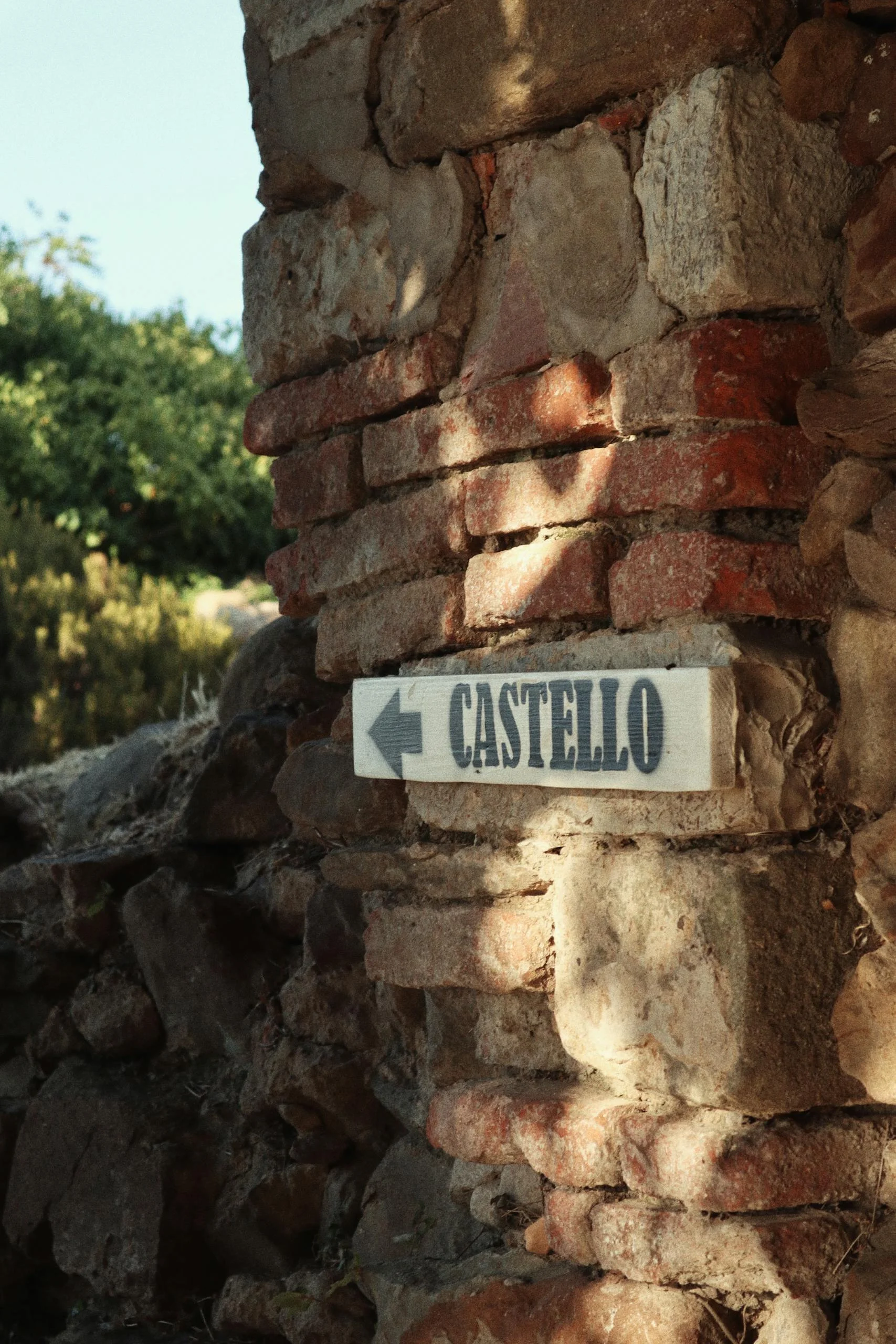
Castalla Castle sits on a rocky elevation above the town, originally constructed as a defensive stronghold during medieval periods of territorial control.
From the top, visitors can see:
- the Foia de Castalla valley
- surrounding mountain ranges
- agricultural land and inland settlements
- the layered structure of the town below
The castle is less about interior preservation and more about its position within the landscape.
It defines the town’s identity as a hilltop settlement.
Evergreen Things to Do in Castalla
1. Walk up to Castalla Castle viewpoints
The ascent to the castle offers panoramic inland views and a clear sense of the town’s defensive geography. It is one of the most important visual perspectives in the area.
2. Explore the old quarter beneath the castle
The historic centre consists of narrow streets, stone façades, and traditional homes built along the hillside. It retains a strong residential feel, with minimal commercial tourism presence.
3. Discover everyday town life
Unlike heavily touristic villages, Castalla functions as a working inland town. Bakeries, cafés, and shops serve residents first, creating an authentic daily rhythm.
4. Walk between upper and lower town levels
The town is naturally divided by elevation, with the castle above and residential/commercial zones below. Walking between these layers reveals how the town has developed over time.
Midday: Local Rhythm & Inland Living
Castalla as a Working Town
Castalla is defined by its role as a functional inland municipality rather than a tourism destination. Its economy and identity are rooted in:
- local trade
- agriculture
- small-scale industry
- residential life
This gives it a grounded, everyday atmosphere rarely found in more curated Costa Blanca locations.
Dining in Castalla
Local dining reflects inland Alicante traditions:
- hearty regional dishes
- rice-based meals
- baked goods from traditional bakeries
- simple café culture
- seasonal produce from surrounding valleys
Food here is practical, local, and unstyled — part of daily life rather than visitor experience.
Afternoon: Slow Streets & Residential Character
Old Town Atmosphere
The old quarter becomes particularly atmospheric in the afternoon when streets quieten slightly. Stone façades, narrow lanes, and shaded corners define the visual identity of the area.
There is no structured sightseeing circuit — exploration is intuitive rather than planned.
Why Castalla Feels Different
Castalla differs from nearby inland destinations because:
- it is not primarily tourism-driven
- it has a stronger working-class and residential identity
- historic architecture exists alongside modern town life
- there is no curated visitor route or “designed” attraction flow
This creates a more grounded version of inland Costa Blanca life.
Late Afternoon: Mountain Light & Valley Stillness
As the afternoon progresses, Castalla becomes quieter.
Light softens across the hillside, and the surrounding valley takes on a more expansive tone. The castle remains visually dominant, anchoring the town within the landscape.
This is when Castalla feels most balanced between movement and stillness.
Sunset: Castle Silhouette Over Foia de Castalla
Sunset in Castalla is defined by elevation and silhouette.
The castle forms a strong outline against the sky, while the surrounding mountains fade into layered tones of gold and blue. The valley opens outward, creating a wide inland horizon rather than a coastal one.
It is a sunset defined by land, not sea.
Why Castalla Is an Important Inland Town in Alicante
Castalla stands out because it represents a fully functioning inland town that has not been redefined by tourism infrastructure.
It combines:
- a medieval hilltop castle
- a strong residential and commercial town core
- agricultural valley surroundings
- proximity to Alicante’s inland mountain corridor
It is frequently included in inland travel routes that focus on authenticity over aesthetics.
Where villages like Guadalest are scenic and curated, Castalla is lived-in and continuous.
Who Castalla Is Best For
Castalla is best suited to travellers who prioritise:
- authentic inland Spanish town life
- quiet, non-touristic destinations
- historic castles and hillside towns
- everyday cultural experiences over curated sightseeing
It is less suited to beach-focused or heavily designed tourism itineraries.
Related Reading
- The Ultimate Pre-Travel Wellness Routine
- How to Eat, Drink and Travel Without Burning Out
- The Modern Guide to Feeling Good While Travelling
- Biar: A Medieval Hilltop Town in Alicante
- Guadalest: A Mountain Village Itinerary in Alicante
- Jalon Valley: Wine Country Slow Travel Guide
- Moraira: A Quiet Coastal Town in Costa Blanca
FAQs
What is Castalla known for?
Castalla is known for its hilltop castle, historic old town, and its role as a working inland town in Alicante province.
Is Castalla worth visiting in Costa Blanca?
Yes. Castalla offers an authentic inland experience with minimal tourism influence, making it ideal for visitors seeking real Spanish town life.
What can you do in Castalla?
Visitors can explore the castle, walk the old quarter, visit local cafés and bakeries, and experience everyday inland town life.
How long do you need in Castalla?
Most visitors spend 2–3 hours, making it suitable for a relaxed half-day inland visit.
Is Castalla easy to walk around?
Yes, although the town is built on a slope, so expect some elevation between lower streets and the castle area.
When is the best time to visit Castalla?
Spring and autumn offer the most comfortable temperatures, with late afternoon being especially atmospheric.
How does Castalla compare to other inland Costa Blanca towns?
Castalla is more residential and less tourist-focused than villages like Guadalest or Biar, offering a more everyday version of inland life.