

Beyond Sweeping: How Modern Vacuum Technology Is Transforming Home Cleaning
Maintaining a clean and healthy home has become significantly easier thanks to rapid advances in cleaning technology. What was once a labor intensive chore involving brooms, dustpans, and bulky corded machines has evolved into a streamlined, precision driven process.
Whether dealing with everyday dust, embedded pet hair, or microscopic allergens, choosing the right vacuum can dramatically improve cleaning efficiency while reducing the time and effort required for household maintenance. Effective floor care and consistent indoor hygiene are no longer optional extras; they are foundational to modern living.
Cleaning solutions today are engineered to tackle complex home environments, protect indoor air quality, and adapt to diverse lifestyles, proving that the right vacuum does far more than simply remove visible dirt.

Beyond Sweeping: How Modern Vacuum Technology Is Transforming Home Cleaning
Why Home Cleaning Matters More Than Ever
The Connection Between Clean Spaces and Well-Being
Indoor environments directly influence physical health, mental clarity, and daily comfort. With most people spending over ninety percent of their time indoors, the quality of the air we breathe and the surfaces we touch has a profound impact on well-being. Regular cleaning reduces dust accumulation, minimizes allergen exposure, and prevents the buildup of irritants that can trigger respiratory issues. A consistently clean home also lowers stress levels, creates a more organized living space, and supports healthier daily routines.
Common Cleaning Challenges in Modern Homes
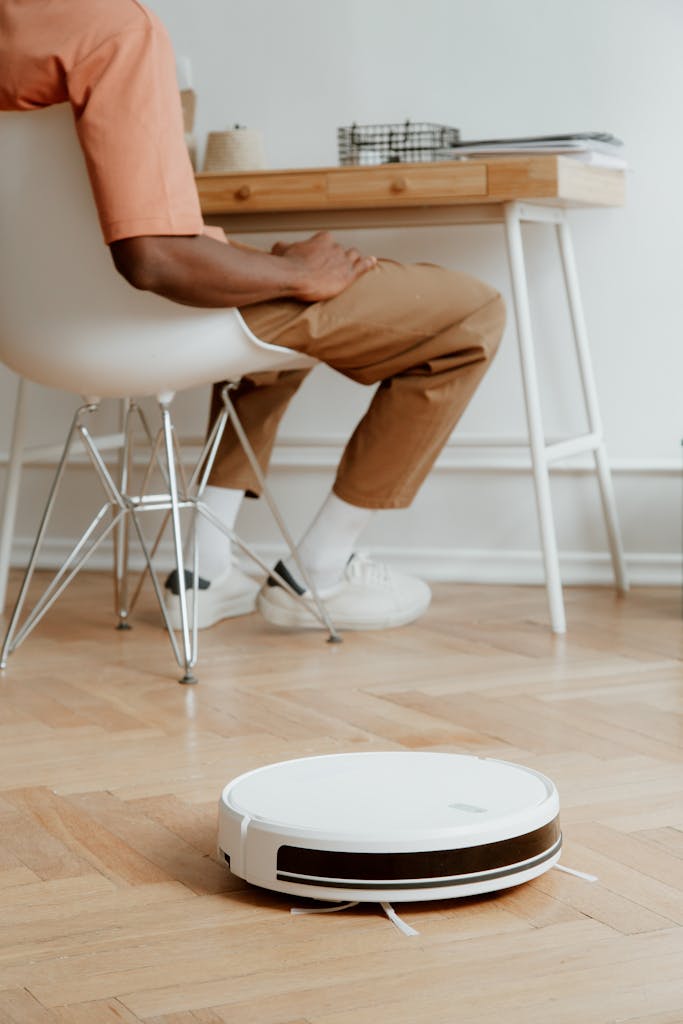
Today’s households face unique cleaning hurdles. Pet hair sheds continuously and clings to fabrics, carpets, and hard floors. Fine dust particles settle into vents, baseboards, and upholstery, often escaping traditional cleaning methods. High-traffic areas like entryways, hallways, and living rooms endure constant wear, tracking in dirt, pollen, and outdoor pollutants. Additionally, modern homes frequently feature a mix of flooring types, from delicate hardwood to plush carpets and tile, each requiring different cleaning approaches to avoid damage while ensuring thoroughness.
The Evolution of Vacuum Cleaning Technology
From Traditional Models to Smart Cleaning Solutions
Vacuum cleaners have come a long way since their heavy, bag-dependent predecessors. Early models relied on basic mechanical brushes and limited suction, often struggling with fine debris and requiring frequent maintenance. Over decades, engineering breakthroughs introduced cyclonic separation, brushless digital motors, and bagless dust collection, dramatically improving suction power and efficiency. Today’s vacuums are precision instruments, designed with aerodynamic airflow channels, high-torque drive systems, and intelligent power management that adapt to surface types in real time.
Features That Define Modern Cleaning Systems
Contemporary vacuums are built around convenience without sacrificing performance. Advanced multi-stage filtration systems trap microscopic particles while preventing them from recirculating into the room. Cordless designs powered by high-capacity lithium-ion batteries deliver consistent suction without the restriction of power outlets. Lightweight composite materials reduce fatigue during extended cleaning sessions, while low-profile heads, swivel steering, and flexible hose attachments enhance maneuverability around furniture and tight spaces.

Choosing the Right Vacuum for Your Home
Understanding Different Home Layouts
Home size and structure dictate cleaning needs. Apartments and compact living spaces benefit from slim, lightweight cordless models that store easily and navigate narrow hallways. Multi-story homes require vacuums with portable designs, quick battery swaps, or lightweight canister systems to avoid hauling heavy equipment between floors. Large family residences often need high-capacity dust bins, extended runtime, and robust suction to manage greater square footage and higher foot traffic efficiently.
Flooring Considerations
Different surfaces demand tailored cleaning approaches. Hardwood and engineered floors require soft roller brushes or suction-only modes to prevent scratches while capturing fine grit. Carpets and area rugs benefit from motorized brush rolls that agitate fibers and lift embedded debris. Tile and laminate surfaces respond well to adjustable suction settings and edge-cleaning brushes that pull dirt from grout lines and corners without scattering it.
Pet-Friendly Cleaning Solutions
Homes with pets need vacuums engineered to handle continuous shedding. Tangle-free brush rolls, specialized pet hair attachments, and high-suction boost modes effectively remove fur from upholstery, stairs, and carpet fibers. Sealed filtration systems capture pet dander and odor-causing particles, while washable filters and easy-empty dust bins simplify maintenance. Together, these features help maintain fresher indoor environments and reduce the frequency of deep-cleaning sessions.

How Advanced Filtration Improves Indoor Air Quality
Capturing Microscopic Particles
Modern vacuums do more than collect visible dust; they trap the invisible pollutants that circulate through living spaces. High-efficiency particulate air (HEPA) and multi-layer filtration systems capture dust mites, pollen, mold spores, and fine particulate matter as small as 0.3 microns. Sealed airflow pathways ensure that once debris enters the vacuum, it cannot escape back into the room through leaks or weak seals.
Benefits for Allergy-Sensitive Households
For individuals managing allergies, asthma, or respiratory sensitivities, advanced filtration is transformative. Cleaner air circulation reduces trigger exposure, minimizing sneezing, congestion, and itchy eyes. By consistently removing airborne contaminants at the source, households experience improved overall comfort, better sleep quality, and fewer allergy-related disruptions. The vacuum becomes an active participant in indoor wellness, not just a surface-cleaning tool.
Efficiency, Convenience, and Time Savings
The Advantages of Cordless Cleaning
Cordless vacuums have revolutionized daily maintenance by eliminating the need to hunt for outlets or manage tangled power cords. Greater mobility allows for quick spot cleaning, spontaneous tidying, and seamless transitions between rooms. Fast daily cleaning routines become practical, encouraging consistent upkeep rather than weekend deep-cleaning marathons. Wall-mounted charging docks and compact storage designs also maximize space efficiency in modern homes.
Reaching Difficult Areas
Modern attachments and ergonomic designs tackle previously frustrating cleaning zones. Low-profile heads glide under sofas and beds, while flexible crevice tools pull dust from corners, window tracks, and appliance edges. Extension wands and angled nozzles reach ceiling fans, crown molding, and high shelves without requiring ladders. This comprehensive accessibility ensures no area is left neglected, maintaining uniform cleanliness throughout the home.

Sustainable Cleaning Habits for Modern Homes
Cleaning Smarter, Not Harder
Effective cleaning relies on consistency rather than intensity. Establishing regular maintenance routines, such as quick daily passes in high-traffic zones and weekly thorough cleaning, prevents debris from compacting into surfaces. Pre-vacuum dusting, emptying bins before they reach capacity, and cleaning filters according to manufacturer guidelines keep equipment operating at peak efficiency. These preventative practices reduce wear on floors, extend vacuum lifespan, and maintain healthier indoor conditions.
Long-Term Benefits of Quality Cleaning Equipment
Investing in well-engineered cleaning tools pays dividends over time. Durable motors, reinforced housings, and replaceable components ensure consistent performance across years of use. High-quality vacuums maintain suction strength, require fewer repairs, and outlast cheaper alternatives that degrade quickly. By reducing replacement frequency and minimizing waste, homeowners align effective cleaning with sustainable, long-term household management.
Future Trends in Home Cleaning Technology
Intelligent Sensors and Automation
The next generation of cleaning devices is increasingly intelligent. Built-in dirt sensors detect surface debris levels and automatically adjust suction power, conserving battery while maximizing cleaning efficiency. Mapping technology, app integration, and voice-controlled operation are becoming standard, allowing users to schedule cleanings, monitor performance, and receive maintenance reminders. Adaptive performance algorithms learn home layouts and traffic patterns, optimizing cleaning routes over time.
The Growing Focus on Health and Indoor Environments
Cleaning technology is converging with wellness innovation. Future vacuums will likely incorporate real-time air quality monitoring, UV-C sterilization attachments, and multi-functional systems that combine dry vacuuming with light steam sanitization. Eco-friendly materials, recyclable filters, and energy-efficient motors will further align home cleaning with environmental responsibility. As awareness of indoor air quality continues to grow, cleaning tools will serve as integral components of holistic home health systems.
Conclusion
Modern households demand cleaning solutions that seamlessly combine power, efficiency, and everyday convenience. As technology continues to evolve, vacuums have transformed from simple dirt-collecting machines into sophisticated tools that support indoor hygiene, protect air quality, and adapt to diverse living spaces. The right vacuum does far more than remove visible mess; it helps create a cleaner, healthier, and more comfortable environment for the long term. By embracing smarter cleaning habits and investing in well-designed equipment, homeowners can maintain spaces that truly support their well-being, proving that modern cleaning is less about effort and more about intelligent, sustainable care.


