

10 Best Practices for Digital Signage in Retail Merchandising
In the contemporary retail ecosystem, digital signage stands out as an instrumental medium for merchandisers to captivate, enlighten, and sway their intended audience. As we navigate the intricate digital terrain, it becomes paramount for enterprises to remain at the forefront, adopting best practices to amplify the efficacy of their digital signage endeavors.
Digital transformation becomes imperative to harness the full potential of this technology. Herein, I elucidate a comprehensive guide to the best practices for implementing Kitcast Apple TV digital signage in merchandising.

10 Best Practices for Digital Signage in Merchandising
1. Comprehensive Audience Analysis
Before deploying any digital strategy, a deep understanding of the target audience is paramount. This involves meticulous market research, leveraging advanced analytics, and understanding customer personas. By tailoring digital signage content to resonate with specific demographics, businesses can ensure a more personalized and impactful communication strategy.
2. Content Excellence
The essence of effective digital signage lies in its content. It’s vital to curate content that is not only engaging but also contextually relevant. This means utilizing high-definition visuals, and compelling narratives, and ensuring regular content refreshes. The objective is to strike a balance between informing and captivating the audience.
3. Strategic Placement Optimization
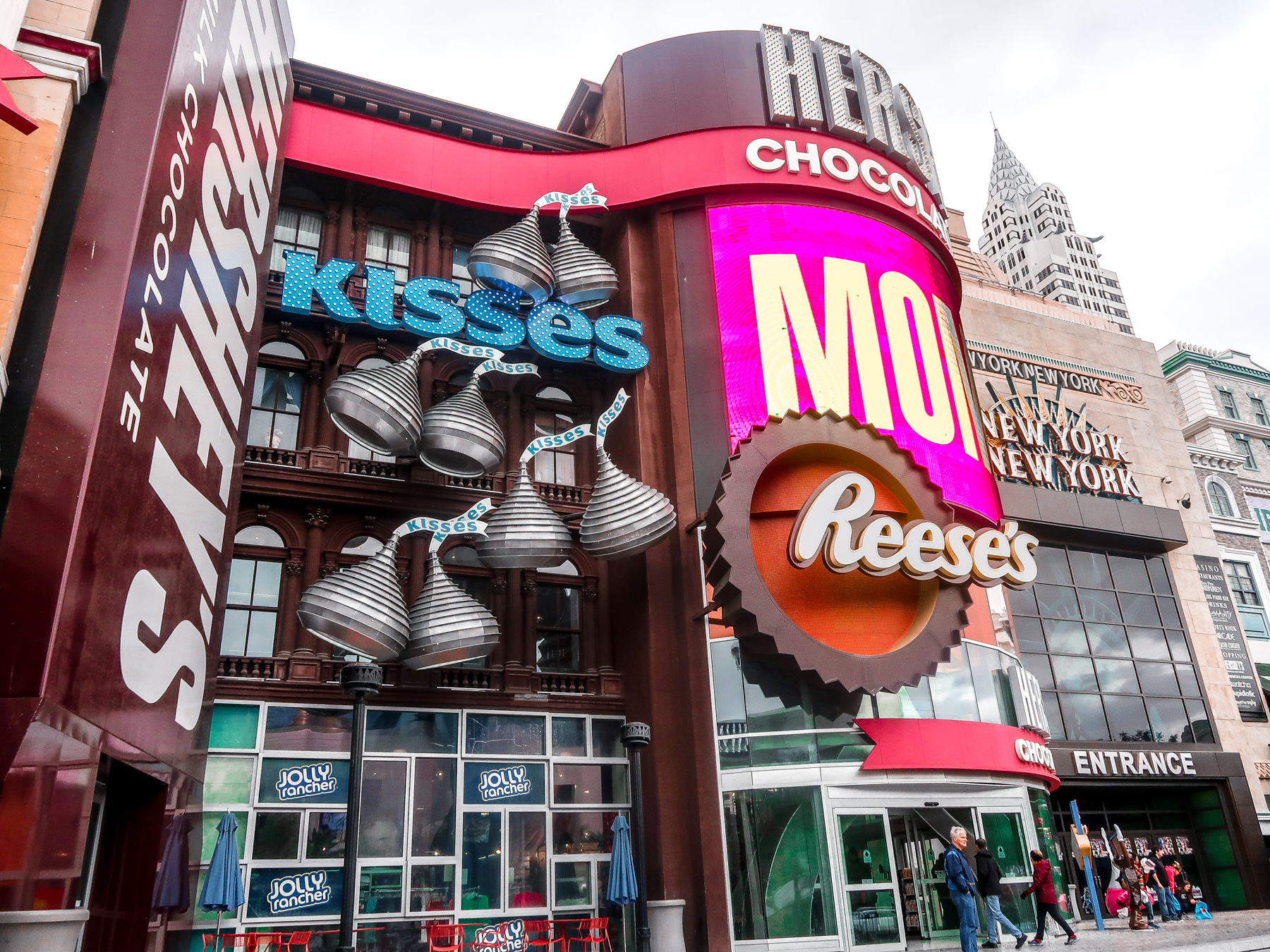
The physical placement of digital signage can significantly influence its efficacy. Screens should be positioned at eye level in areas with maximum foot traffic. Analyzing in-store customer movement patterns can provide insights into optimal placement, ensuring maximum visibility and engagement.
4. Embracing Interactivity
Modern digital signage is not just a passive display; it’s an interactive medium. Incorporating features like touch-responsive screens, QR code integrations, and augmented reality can transform the customer experience. This interactivity not only fosters engagement but also garners invaluable insights into customer preferences.
5. Consistent Multichannel Branding
In an age of omnichannel retail, ensuring consistent branding across all touchpoints is crucial. The messaging, aesthetics, and tone of digital signage should seamlessly align with other marketing channels, reinforcing a unified brand image and enhancing customer trust.
6. Continuous Testing and Adaptation
The digital landscape is dynamic. To stay relevant, businesses should adopt a culture of continuous testing. This involves experimenting with varied content formats, design elements, and strategic placements. Leveraging analytics to gauge performance and making data-driven adjustments ensures that the digital signage remains effective and resonant.
7. Prioritizing Content Legibility
While creativity is essential, it should never come at the expense of clarity. Employing clear, legible fonts and ensuring a harmonious color contrast is fundamental. The goal is to ensure that the content is easily digestible at a glance, enhancing the user experience.

8. Intelligent Content Scheduling
Modern digital signage software offers sophisticated scheduling capabilities. Businesses can program content based on specific times, and days, or in response to real-time triggers. Such dynamic content scheduling ensures that the messaging is always timely and relevant, maximizing impact.
9. Reliability and Robust Infrastructure
The backbone of effective digital signage is its reliability. Investing in premium quality hardware, like Apple TV with MDM Integration, coupled with robust software solutions, ensures consistent uptime. Regular system health checks, software updates, and preventive maintenance are non-negotiable to guarantee seamless operation.
10. Staying Abreast of Technological Advancements
The realm of digital signage is in constant flux, with new innovations continually emerging. Staying updated with the latest technological trends and integrating them into the digital signage strategy ensures that businesses remain at the forefront of the retail revolution.
In Conclusion
Digital signage, when executed with precision and strategy, has the potential to redefine the retail landscape. It bridges the gap between digital innovation and physical retail, offering an immersive customer experience. By adhering to these best practices, businesses can not only elevate their merchandising efforts but also carve a niche in the competitive market. In this digital age, it’s not just about staying updated; it’s about leading the way.
When astutely leveraged, digital signage can revolutionize merchandising strategies. It presents a dynamic medium to showcase offerings, disseminate information, and foster consumer engagement. Adherence to the aforementioned best practices ensures that an enterprise’s digital signage strategy is not only potent but also future-ready.
In this era of digital metamorphosis, the objective is not mere replacement but strategic integration. As we progress, the demarcation between physical and digital retail will become increasingly nebulous, with digital signage emerging as a linchpin in this transformative journey. Adopt, adapt, and witness your enterprise ascend to unparalleled heights.


