
The ROI of Luxury Home Renovations: When Premium Upgrades Actually Pay Off
Toronto’s luxury real estate market hit $2.3 billion in transactions last year, yet savvy buyers increasingly scrutinize renovation value. As a professional woman building wealth through property, you need to know which high-end upgrades deliver genuine returns and which merely drain your investment portfolio.
After 18 years transforming Toronto’s most exclusive properties, I’ve watched affluent buyers walk away from beautifully renovated homes because the upgrades didn’t align with market value. The difference between smart luxury and wasteful spending often determines whether your renovation increases equity or simply increases your personal enjoyment at significant cost.

The ROI of Luxury Home Renovations: When Premium Upgrades Actually Pay Off
Why luxury renovations aren’t all about showing off
The most expensive renovation isn’t always the smartest investment. I’ve seen $150,000 kitchens that added $80,000 in home value and $60,000 kitchens that added $75,000. The difference? Understanding what luxury buyers actually value versus what looks impressive in magazine photos.
Premium materials matter, but installation quality matters more. A Carrara marble backsplash installed by someone who understands the stone’s veining patterns and proper sealing creates lasting value. The same marble installed carelessly becomes a maintenance nightmare that deters buyers. This principle applies across every luxury upgrade from custom millwork to imported tile.
Toronto’s luxury market rewards specific improvements. Buyers in Rosedale prioritize different features than buyers in King West condos. A wine cellar adds 4-6% value in Forest Hill but barely registers in Liberty Village. Understanding these nuances prevents you from investing $40,000 in a feature that adds $15,000 to your property value.
The timeline also affects ROI. Luxury renovations completed 1-2 years before selling typically return 15-20% more than those completed 5+ years prior. Materials age, trends shift, and what felt current in 2019 might read as dated today. Strategic timing maximizes your return while letting you enjoy the upgrades.
Which high-end upgrades actually pay you back?
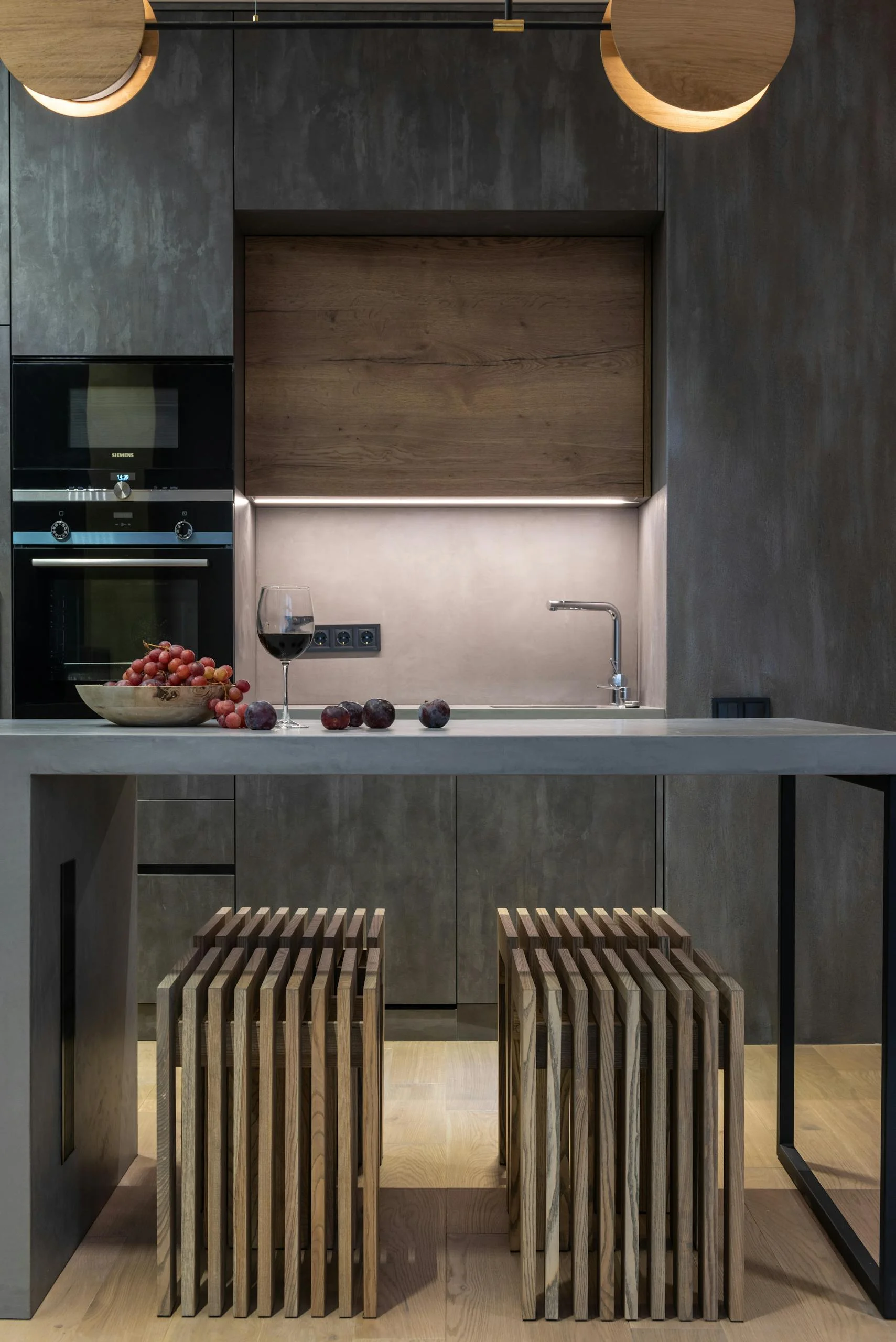
Kitchen renovations consistently deliver the strongest returns in Toronto’s luxury market, recovering 70-80% of investment costs. But that figure assumes you’re making choices aligned with buyer expectations in your neighborhood and price point.
Professional-grade appliances from Wolf, Sub-Zero, or Miele command premium positioning. These brands signal serious investment to luxury buyers and typically recover 85-90% of their cost. Mid-tier “prosumer” brands recover only 60-65%. If you’re investing in luxury, commit fully rather than splitting the difference with compromise choices.
Custom cabinetry with soft-close mechanisms, interior organizers, and quality hardware returns 75-80% in resale value. The key word is “custom.” Semi-custom cabinets marketed as high-end rarely impress sophisticated buyers who recognize the difference. They’ll spot builder-grade construction beneath designer paint colors.
Stone countertops remain essential, but selection matters. Quartzite and quality quartz perform nearly identically to marble in resale value while offering superior durability. Exotic granites that cost $200+ per square foot rarely return more than common varieties priced at $80-100 per square foot. Buyers appreciate stone; they don’t typically pay premiums for rare patterns.
Bathroom renovations return 60-70% on luxury upgrades when executed properly. Heated floors, frameless glass showers, and floating vanities signal contemporary luxury. Soaking tubs add appeal if space allows, but forcing a tub into a small bathroom often reduces functionality buyers value more than the tub itself.

Premium fixtures from Kohler, Brizo, or Hansgrohe communicate quality, but going ultra-luxury with Dornbracht or Waterworks rarely increases resale proportionally. Buyers notice the $800 faucet looks expensive; they don’t typically recognize it cost $2,500 instead of $800.
Smart home integration for lighting, climate, and security systems now returns 40-50% of investment in luxury properties. Five years ago, these systems added minimal resale value. Today’s affluent buyers expect sophisticated home automation, particularly in condos and newer construction areas.
You’ll also love…
- Beyond Sweeping: How Modern Vacuum Technology Is Transforming Home Cleaning
- Creating Your Indoor Oasis: How Temperature and Air Quality Define a Truly Serene Space
- Creating Your Sanctuary: How Choice of Color Can Transform Your Home into a Wellness Hub
How do Toronto’s luxury buyers value different renovations?
Toronto’s luxury market segments create distinct valuation patterns. Understanding these differences prevents you from making expensive mistakes based on general advice.
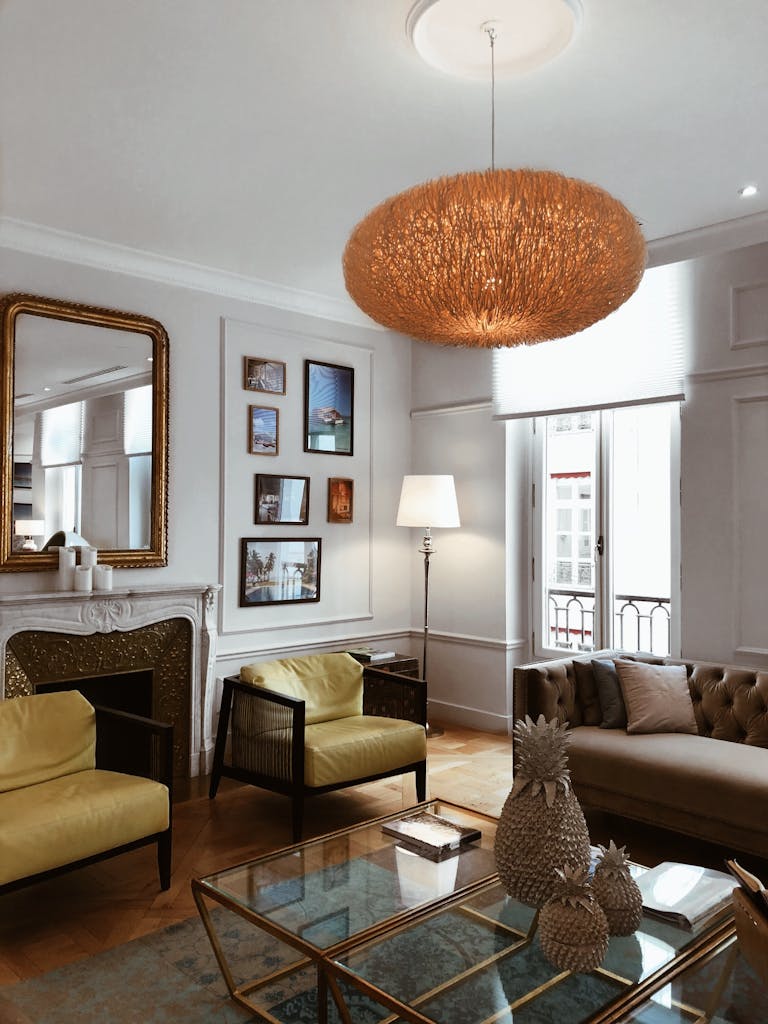
In established neighborhoods like Forest Hill, Rosedale, and Lawrence Park, buyers prioritize traditional luxury. Crown molding, hardwood floors, and classic finishes return higher percentages than ultra-modern choices. A $90,000 traditional kitchen renovation might add $75,000 in value, while a $90,000 ultra-contemporary kitchen adds $60,000.

King West, Liberty Village, and downtown condos reverse this equation. Contemporary finishes, clean lines, and urban sophistication drive value. The same traditional renovation that works in Forest Hill reads as outdated in a King West loft. For high-end condo renovations, modern European cabinetry and integrated appliances outperform ornate traditional styles by 15-20% in resale value.
North Toronto submarkets like Leaside and Willowdale blend both preferences. Buyers here appreciate updated traditional, transitional styles that feel current without extreme contemporary elements. This middle ground typically delivers the strongest ROI, recovering 75-80% across various upgrade types.
Space optimization commands premium value in Toronto’s expensive market. Adding functional square footage through bedroom additions, finished basements, or reconfigured layouts returns 80-100% in established neighborhoods. Creating a third bedroom from wasted space or converting an unused dining room into a home office adds measurable value that appraisers recognize.
Energy efficiency and sustainability increasingly influence luxury valuations. High-efficiency HVAC systems, quality windows, and proper insulation return 50-60% immediately but continue adding value through reduced operating costs. Buyers calculate monthly carrying costs, and homes with $150 lower utility bills effectively increase purchasing power by $25,000-30,000.
What separates smart luxury from wasteful spending?
The line between investment-grade luxury and personal indulgence often determines whether your renovation builds wealth or simply satisfies aesthetic preferences at significant cost.
Over-improving for your neighborhood represents the most common luxury renovation mistake. Installing $200,000 worth of upgrades in a neighborhood where homes top out at $1.8 million means you’ll never recover that investment. The ceiling exists regardless of your renovation quality. If comparable homes sell for $1.5-1.8 million, yours might reach $1.9 million with perfect upgrades, but you’ve still lost money.
Trend-chasing wastes luxury budgets quickly. Rose gold fixtures, zellige tile, and other Instagram-famous finishes date quickly and appeal to narrow buyer segments. Classic materials in contemporary applications age gracefully and appeal broadly. Subway tile arranged in interesting patterns outperforms exotic zellige in resale value despite lower material costs.

Sacrificing function for aesthetics rarely pays off. I’ve seen $80,000 kitchens with insufficient storage that buyers immediately planned to reconfigure. Beautiful open shelving looks stunning in photos but fails for people who actually cook. Luxury should enhance daily function, not compromise it for visual appeal.
Extreme personalization limits your buyer pool. Custom wine cellars for 2,000+ bottle collections, elaborate home theaters with tiered seating, or spa bathrooms with features requiring special maintenance appeal to very specific buyers. If you’re renovating for personal enjoyment, proceed knowing you’ll recover limited value. If you’re renovating for resale, stay within mainstream luxury preferences.
Quality installation often costs 40-50% of premium renovation budgets but determines whether upgrades hold value long-term. Luxury materials installed poorly deteriorate faster than mid-range materials installed expertly. Established Toronto renovation companies with experienced crews charge more per hour but deliver installations that last decades rather than years.
When should you renovate vs. relocate in Toronto’s market?
Toronto’s housing market creates situations where renovating makes exceptional financial sense and others where relocating delivers superior returns.
Renovate when your current location provides value you can’t easily replicate. School districts, commute times, and neighborhood amenities have specific value. If moving to a comparably updated home in your preferred area costs $400,000 more than renovating, that $400,000 gap should exceed your renovation budget by at least $100,000 to make moving worthwhile.
The calculation changes in rapidly appreciating neighborhoods. If your area gains 8-10% annually, staying and renovating lets you capture that appreciation on your existing property value. Moving resets your basis to current market prices, reducing the appreciation effect on your investment.
Renovate when your home’s bones support modern living but finishes have aged. Good layout, solid structure, and appropriate square footage with dated aesthetics make ideal renovation candidates. You’re investing in finishes and systems rather than fundamental limitations.
Consider relocating when your home’s structure or layout fundamentally doesn’t serve your needs. Creating open concept space in a 1960s home with load-bearing walls every 12 feet costs $150,000+ and rarely achieves the flow of homes designed open concept originally. Sometimes the better investment is finding a home with the right bones.

For luxury condo owners, renovation often exceeds relocation benefits. Moving costs, land transfer taxes, and real estate commissions on a $1.2 million condo total $90,000+. That same $90,000 delivers substantial interior upgrades that you’ll enjoy immediately while building equity. Toronto’s condo market particularly rewards updated units in established buildings with strong locations.
Time horizon affects this decision significantly. If you’re planning to move within 3-5 years, major renovations rarely recover their full value quickly enough to justify the investment. Light updates and cosmetic improvements deliver better returns on shorter timelines.
How do you find contractors who understand luxury investment?
Selecting contractors who grasp the difference between expensive and valuable separates successful luxury renovations from costly mistakes.
Experience with your specific property type matters enormously. Contractors specializing in luxury kitchen renovations in Toronto understand the permitting requirements, supplier relationships, and installation techniques that separate amateur work from professional results. They know which seemingly small details matter to sophisticated buyers and which expensive touches add minimal value.
Request detailed breakdowns showing where your money goes. Quality contractors provide line-item estimates separating materials, labor, permits, and contingencies. This transparency lets you make informed decisions about where to invest and where to economize. If a contractor resists detailed pricing, they’re hiding something about their markup structure or don’t track costs professionally.
Review portfolios specifically for projects in your price range and style. A contractor who excels at $40,000 bathroom renovations doesn’t necessarily manage $100,000 bathroom projects successfully. Different price points require different supplier relationships, project management approaches, and quality standards. Find contractors working at your investment level.

Check completion timelines against quoted schedules. Luxury renovations running 6-8 weeks over schedule cost you money in carrying costs, temporary housing, and opportunity cost if you’re preparing for sale. Experienced contractors build realistic schedules accounting for custom material lead times, permit approvals, and seasonal factors affecting Toronto construction.
Evaluate their approach to problems and changes. Every renovation encounters unexpected conditions. Quality contractors present options with cost implications clearly, helping you make decisions that protect your investment value rather than simply choosing the most expensive solution. They understand renovation strategy beyond construction execution.
Transform your space strategically
Smart luxury renovations in Toronto’s market require balancing aesthetic appeal with investment returns. Your home can be both beautiful and financially sound if you make informed choices about where to invest premium dollars.
The most successful luxury renovations I’ve completed share common elements. Clients who understood their neighborhood’s value drivers, selected timeless materials in contemporary applications, and worked with experienced home renovation specialists achieved both personal satisfaction and strong returns. They viewed renovations as portfolio strategy, not just aesthetic improvement.
Your renovation budget represents significant capital that should work as hard as your other investments. Whether you’re creating your forever home or preparing for your next real estate move, aligning upgrades with market realities ensures your investment builds wealth while you enjoy elevated daily living. The key is knowing which premium choices deliver lasting value and which simply deliver immediate gratification at long-term cost.

Start by understanding what luxury buyers in your specific Toronto neighborhood actually value, then invest accordingly. Your equity will thank you.


